Easy Earth Day Activities For Students That Actually Make A Difference
_______
How to Engage Students in Earth Day Activities
Earth Day shouldn’t just be a date on the calendar. It’s a reminder of our ongoing commitment to respecting and nurturing this beautiful planet. Imagine what can happen if we take those values to heart every single day. It’s about amplifying this year’s awareness and carrying it forward, creating habits and mindsets that live beyond the classroom walls. The following video supports conservation education by illustrating key environmental concepts and real-world applications for students by providing the historical context of Earth Day.
Education plays a massive role in this mission. By embedding environmental science and sustainability into everyday learning, we’re empowering the next generation to make mindful choices. Teaching kids to appreciate and care for the environment is all about solutions and what can be done; it’s about hope and helping them see how they fit into the Earth’s narrative. Earth Day games for classrooms engage them and get them interested. This interactive conservation concept below is a quick activity that can help boost enthusiasm and get students motivated to start a lesson.
Furthermore, taking Earth Day principles and weaving them into everyday learning enriches education itself. This approach isn’t just better for our planet; it changes how students see and interact with the world around them. It’s about developing an education system that mirrors the natural cycle – teaching, learning, adapting, growing. This in turn fosters awareness in young individuals and equips them with the knowledge to take meaningful action. When students realize the impact of simple daily habits, like reducing plastic use or understanding energy conservation, they start connecting their learning with the bigger picture. Each small step they take translates to a collective leap forward in conservation efforts.
Hands-On Activities: Empowering Students with Real Conservation Skills
Getting students involved through practical activities can open their eyes to real-world environmental challenges. It’s all about giving them the tools and experiences to make a difference. Here are three different activity ideas.
Activity One – Eco Explorer Expeditions
One way to do this is by using tech resources like the iNaturalist app. This unique tool lets students become young Eco-explorers as they observe and document local plant and animal life. Whether it’s an enjoyable walk around the school grounds or an off campus field trip, every observation helps them connect with the environment.

Activity Two – Reduce, Reuse, and Recycle Activity
Another great activity is a waste audit. It might sound unappealing, but it’s actually pretty simple and incredibly impactful. You can follow this in depth guide from the Rethink Waste Organization.They offer a waste audit toolkit to get started. Students track waste produced during a school day and brainstorm ways to cut it down. Maybe they discover that their lunch wrappers or single-use plastics are accumulating, and they can suggest better replacements like reusable containers or Eco-friendlier materials. I see them now at health and regular grocery stores, composable wrappers that are not made out of plastic. I also see bamboo containers that are more sustainable than paper products made out of trees. These are just some ideas.

Activity Three – Conservation Pledge Project
One more great idea is getting students to commit to their learning through a conservation pledge project. It is nice to see that corporations are getting involved in the green movement. Bic and Tag offers a way to make a pledge and participate in something big at the global level. If your students are ready to take action, consider encouraging them to make a personal commitment or as a class to take a conservation pledge to support environmental sustainability. They can also make pledges to take action at the community, classroom, or school level too, small actions lead to big positive results too. This isn’t just a vague promise but structured goal-setting that encourages real responsibility. By logging goals in a journal and tracking them, kids learn the value of accountability in environmental care. Plus, seeing their progress throughout the year can be pretty motivating!

Finally, encourage problem-solving and creative thinking, so these activities go beyond fun and become learning experiences. Kids remember the topics they engage with personally. Involving students in real conservation efforts helps them understand the urgency and relevance of what they are doing, making their education a part of the solution.
Extending Earth Day Activities: Fostering Year-Round Environmental Dedication
Turning Earth Day lessons into a regular part of educational routines ensures that environmental consciousness stays fresh and relevant. It’s all about getting these ideas to stick in students’ minds by making them relatable and constant.
Building a curriculum that smoothly integrates these activities throughout the year is the goal. Connect classroom lessons with relevant conservation issues that students can relate to. Think of discussions on recycling, energy conservation, or even local wildlife preservation as ongoing themes rather than one-off topics.
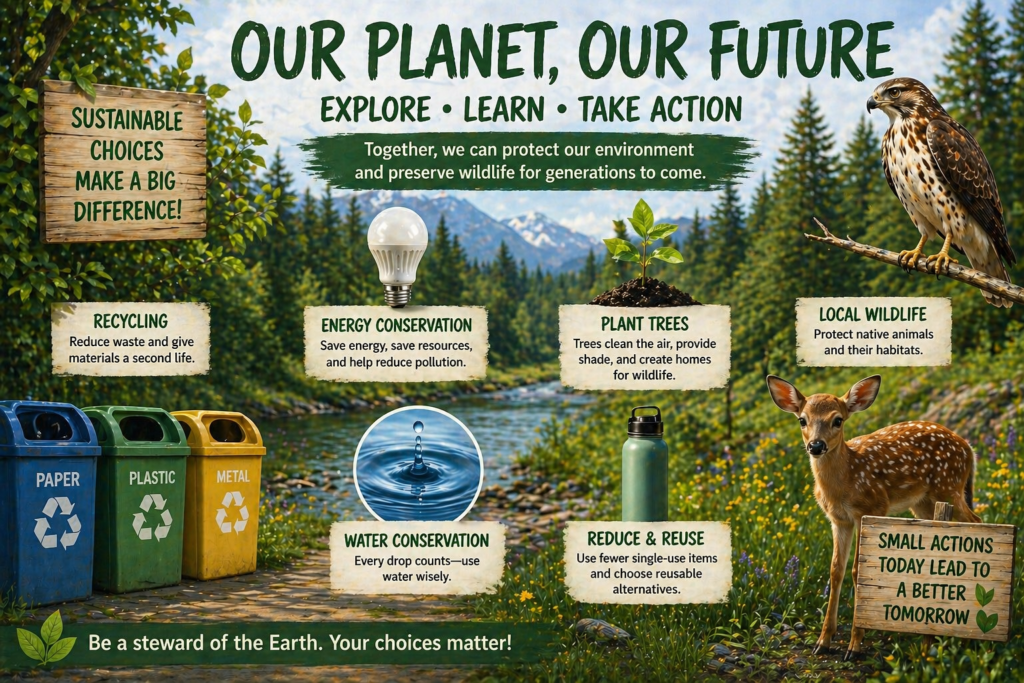
Encourage students to lead initiatives. Simple acts like organizing a school-wide recycling program or starting a garden club can make a substantial difference. It gives them responsibility and lets them directly see the outcomes of their actions.
Community involvement plays a crucial role in expanding the reach and impact of these educational efforts. When students engage with local projects or campaigns alongside their community, the lessons learned have real-world significance and longevity.
In Summary
Reinforcing Earth Day values consistently suggests that students develop a profound connection with their environment. By consistently nurturing these values, students not only learn about the importance of the environment but take part in conserving it too. The benefits of earth day activities for students is more than just an abstract assignment, it is something that can improve the quality of life on earth long into the future.