Helping Communities and Wildlife Conservation Overseas
How to Practice Ecotourism Responsibly
Traveling overseas and helping out by volunteering in another country with wildlife conservation efforts is something I would like to do in the near future. Volunteering for wildlife conservation abroad can be a life-changing experience. It’s a chance to dive right into initiatives that truly make a difference. What is ecotourism and one of the big draws? You get to offer in person support to communities and conservation projects that wouldn’t thrive without on-the-ground help. Choosing to volunteer with wildlife abroad can be a life-changing experience—but finding genuine, impactful programs requires thoughtful research.
Additionally, ecotourism plays a huge role in funneling money into these wildlife protection programs. Joining these adventures, it’s not just about spotting rare species and taking photos. It is about actively helping to safeguard flora and fauna. It’s pretty rewarding to know that your travels can have a purpose beyond just seeing the beautiful animals and landscape.
Travel Tips
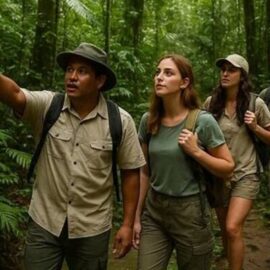
Most importantly, here are some ecotourism travel tips. Interacting with wildlife responsibly is the key. These programs ensure small group sizes to reduce any disturbance to the animals. It’s more than just good for them; it enriches your experience. You get to see them up close and personal, and it teaches you how to engage respectfully.
Here is What to Expect
Specifically, offering your time to wildlife conservation can be a flexible and rewarding experience, whether you choose to volunteer for a few hours locally or commit to a longer-term program abroad. While some local opportunities may have little to no cost, many international programs require fees to cover accommodations, training, and conservation support. In addition, volunteers should be ready with appropriate outdoor gear, such as hiking boots and weather-appropriate clothing. These opportunities are generally open to individuals who are willing to learn, adapt, and participate meaningfully with conservation efforts.
Expertise Guidance
Also, there’s something incredibly unique about going behind the scenes with experts. By immersing yourself in these environments, you gain insights that textbooks just can not provide. It’s seeing the challenges up close and discovering solutions firsthand that helps profoundly with the cause. This kind of education not only makes you a more informed global citizen, but it also equips you with knowledge you can share with others to amplify the positive impact.
Conservation and Volunteer Resources
The World Wildlife Fund focuses on the importance of responsible conservation efforts worldwide. These organizations can be paired with local activities where you live or a planned trip overseas. Here are some trusted wildlife conservation programs to consider based on accessibility, impact, and educational value. They are well established and would enjoy your input and time.
I would like to continue discussing the World Wildlife Fund. They have a presence on 6 continents and close to 100 countries. Thus their reach is extensive and the opportunity to have a good impact through them is great. Below is a direct connection to them.
Next I would like to discuss the Nature Conservancy organization, where there are numerous volunteer activities across the United States and also Worldwide. You can choose to travel or help somewhere close to home. Their goal is to help 100 million people who are at risk due to climate change induced natural disasters.
Additionally there is the Smithsonian, its zoo plays a critical role in conservation efforts of endangered species like the Giant panda and Asian elephant. Volunteers must be at least 18 years old.
Ecotourism Destinations
Plus, there is G Adventures which offers travel opportunities that support communities. These are adventures in diverse communities and ecosystems across the world. Sustainable travel ecotourism helps ecosystems, learn more about this topic here.
** Please note, this website contains affiliate links. This means if you click a link and make a purchase, a small commission may be received. There’s no extra cost to you. It’s a simple way to support this website’s mission to provide quality content while also supporting wildlife conservation. **
In Summary
When considering your decision for volunteering, always consider three main things, what is the program’s legitimacy, conservation impact or goals, and ethical practices. These factors will help you make a solid decision on what your next steps will be and what actions you would like to take.
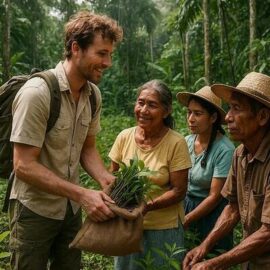
Furthermore, getting to know the local communities is another wonderful aspect. By working directly with community members, you learn that conservation goes beyond preserving animals. It’s also about cultural exchange and empowering locals by providing jobs and boosting pride in the ecological stewardship of their natural surroundings. It’s these authentic cultural experiences that creates a lasting impression, fostering long-term relationships and a passion for more sustainable living.
I recommend that you experience the best of both worlds by coordinating a trip that includes volunteering and experiences with the local communities that it supports. This will enrich and move your trip to the next level.
This is such a valuable and well-structured guide for anyone dreaming of volunteering in wildlife conservation! I really appreciate how you emphasize the importance of choosing ethical programs and asking the right questions about an organization’s long-term impact. The step-by-step process, from self-reflection on your skills to the practical tips on vaccinations and visas, is incredibly helpful for turning that inspiration into a well-planned trip. This resource makes a potentially overwhelming process feel manageable and purposeful. Thank you for promoting responsible and meaningful travel!
Cian,
Thank you for your response. This information was inspired by a trip to the health food store, where I discussed with an employee there, how to travel responsibly. More specifically how to have a eco-friendly journey with a clear conscious. During this conversation, I mentioned that I would like to visit other locations overseas, however, I was and I am still concerned about climate change. Then I brought up how I think about flying and I am conscientious about its affects on the environment. They suggested that to offset these climate effects, I can volunteer for conservation projects like planting native trees to restore habitat, for example, when I get to my destination. I decided to run with this when I plan my next travel adventure.
Also, you mentioned a very real fact that traveling with correct documentation and vaccinations is always important and required especially in the post pandemic times we are in. Additionally, you made a great point that these and other potentially overhwelming preparation steps can be off set by the knowledge that there is a purpose for the trip and it is not just a vacation.
Wonderful Comments!
Rhonda