Understanding Bird Tracking Tools, Techniques, And Citizen Science
_______
Why Is Bird Tracking Important for Conservation?
“The Love for All Living Creatures is the Most Noble Attribute of Man.” – Charles Darwin
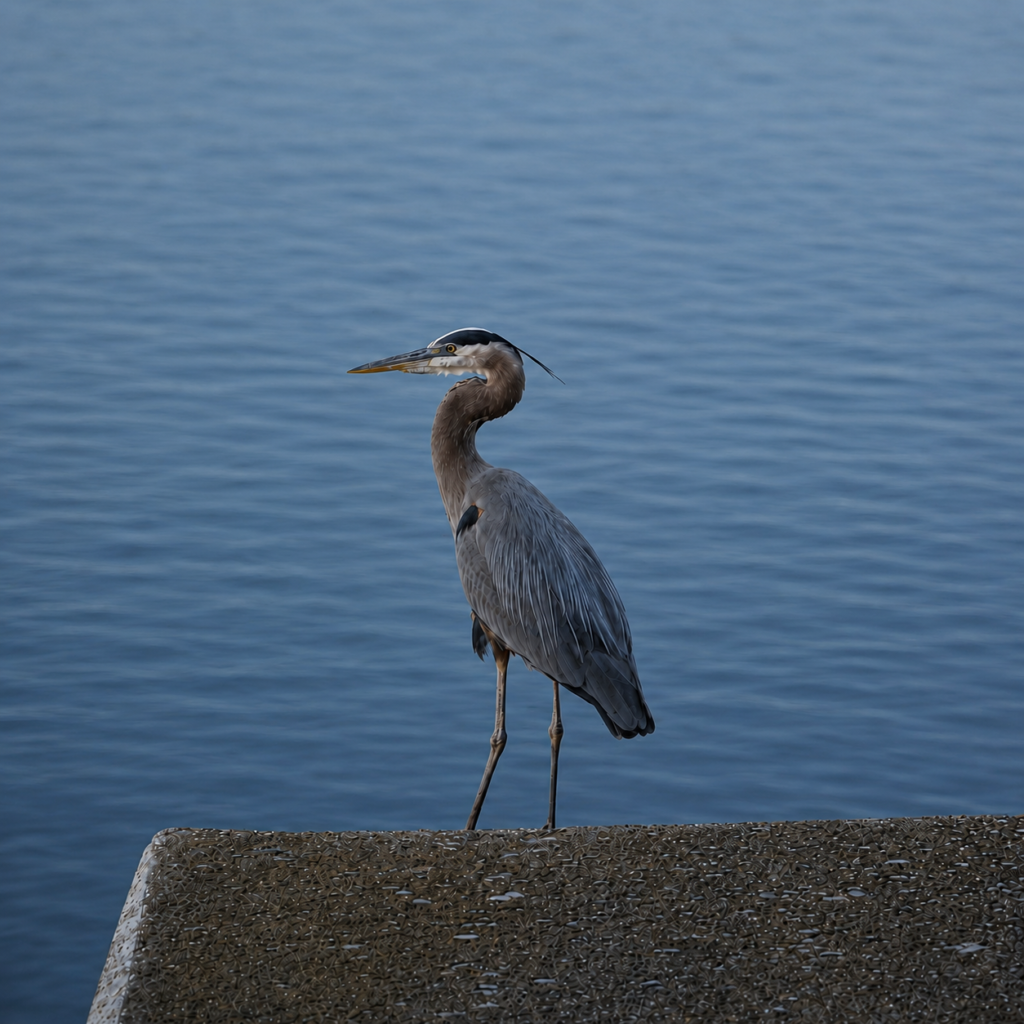
There is a waterfall I visit frequently where one of my favorite birds can be seen, the great blue heron, Ardea herodias. It would be nice one day to take a notebook down to the waterfront. During my most recent sighting, I observed it gracefully catch a small fish and eat it whole. It would have been a great idea also to log this in a journal. Notating or writing down bird sightings in an easily accessible notebook can take birdwatching to the next level. Bird journals serve not just as records, but as cherished memories of time spent observing in nature. Whether you’re just starting out or have been at it for years, keeping detailed notes on the birds you spot, where and when you see them, and what they’re up to helps to really get to know these fascinating creatures. It is like a precious picture that you can return to months or years later.
The Art of Bird Journaling and Recording Nature Through Observation
How and when observations are made are just as important as enjoying the journey as you explore the great diversity that exists with the Scientific class of Aves that birds belong to.
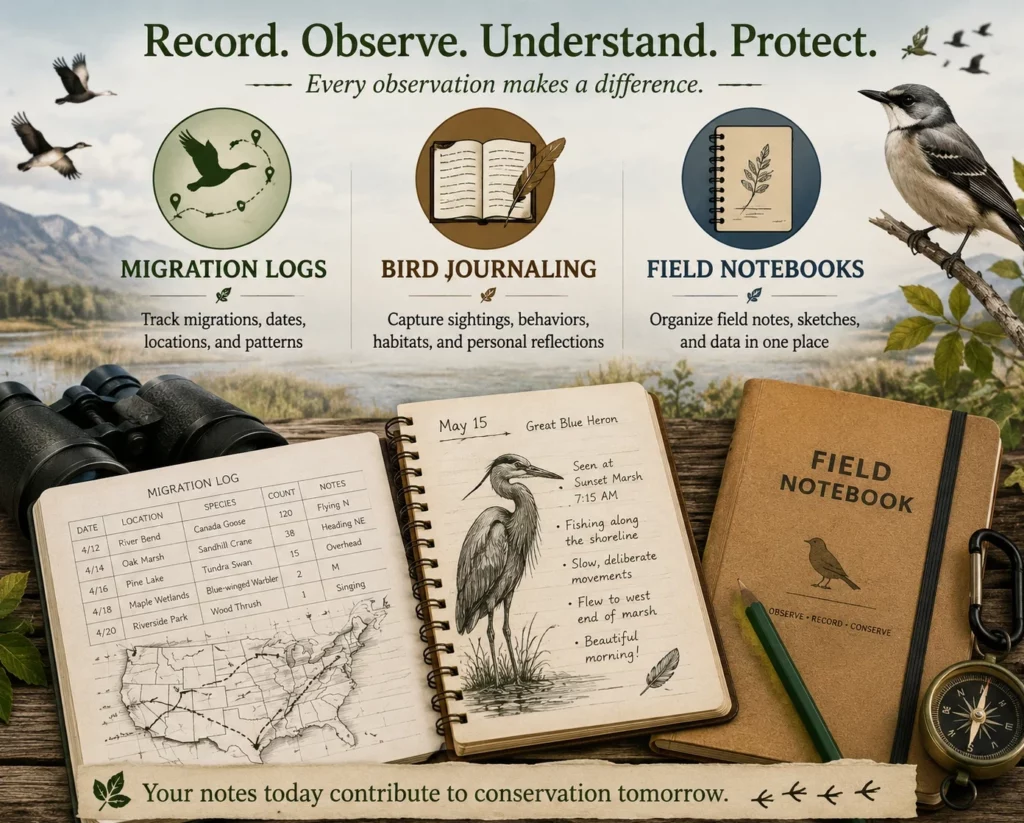
- Migration Logs – Due to the fact that migratory birds travel great distances, tracking these journeys in migration logs can be important information. Not only does this provide insights into bird behavior, but it also helps understand ecological changes. Keeping a log of these movements makes the whole activity more rewarding and educational.
- Bird Journaling – For those who love to draw or capture the beauty of birds in some colorful way, nature sketchbooks are a must. It’s about creating a personal record by sketching or painting bird sightings as you go. It’s a great way to observe tiny details you might otherwise miss and can be a relaxing endeavor.
- Field Notebooks – Can be a birdwatcher’s unique record. You can design it to include your favorite bird fields, behaviors you’ve observed, or notes on the environment. Make sure you include stories of how you had that incredible sighting during a bright afternoon or a misty morning. This personalized touch makes birdwatching incredibly immersive and original according to your perspective.
Furthermore, reflection on past entries can be an important part of the process. Revisiting those bird journal pages gives insights into how patterns have changed or stayed the same over the years. It’s not just about documenting; it’s about learning and growing with the natural world. Whether through words, numbers, or pictures, bird journaling, migration logs and field notebooks add depth to birdwatching, turning brief moments into lasting memories. These tools don’t just record your observations; they invite you into a deeper understanding and appreciation of nature’s avian wonders.
The Digital Age and Tech Tools for Modern Bird Tracking
In the age of smartphones and online apps, bird watching isn’t just about quietly observing with binoculars anymore. For birdwatchers enthusiasts looking to stay ahead, embracing digital tools can really elevate the experience.
How to Start Birdwatching with Technology
- EBird – This platform, built by bird lovers and experts, lets users log, share, and explore bird sightings from all over the world. It’s like social media, but just for birds. The crucial part is? Your entries contribute to real science that tracks bird populations and trends.
- Merlin Bird ID – I have personally used this one and enjoyed the indepth feedback it has provided. I aimed the App toward unknown bird calls in an old growth forest canopy. After recording the frequency of the bird call. It then provided the common and scientific name for the bird in question. Therefore, this app is great for those “what is that bird?” moments we all experience.
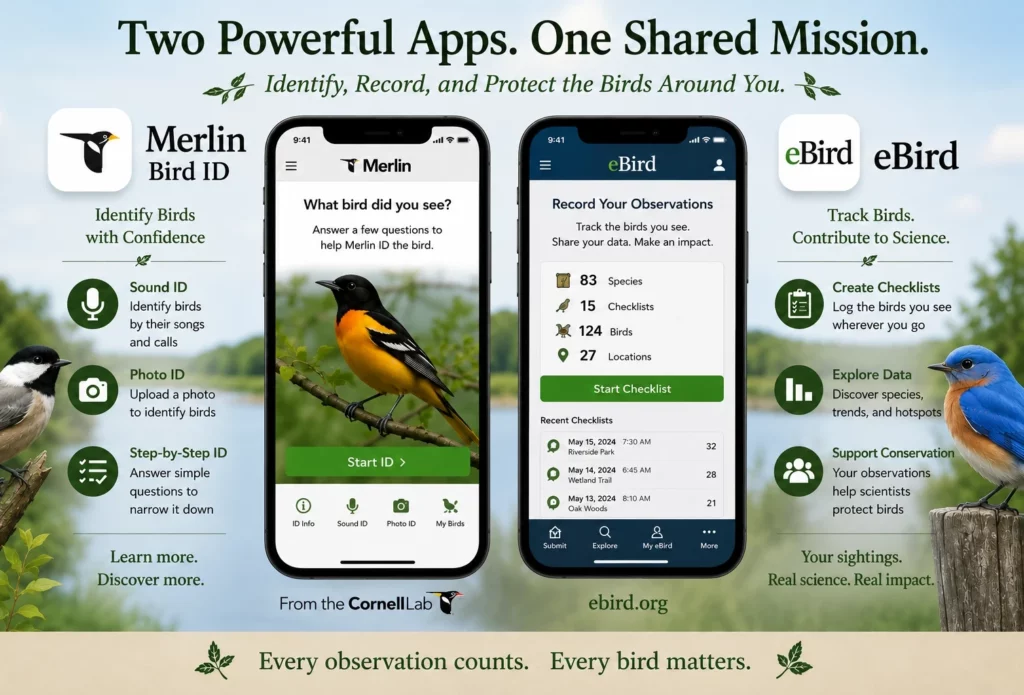
To sum it up, these apps are powerful databases that help you understand the birds you are hearing and observing. They provide massive amounts of regional data to serve as a resource to you. You can also explore here how online bird identification courses contribute to understanding and protecting bird populations as an enthusiast and citizen scientist too.
The Details and Techniques for Effective Bird Tracking
Understanding the extensive journeys that birds undertake is a major part of birdwatching. Fancy migration tracking maps provide insights into where birds are coming from or heading to. It’s interesting, and also humbling, to see the miles they cover.
For those curious about bird sounds, digital bird sound identification tools are a game changer. These apps can analyze bird calls and songs, helping you discover what type of bird is singing it.
Citizen science databases play a crucial role by gathering data from everyday bird enthusiasts like you and me. They provide valuable insights into bird behavior, movements, and population numbers that help in conservation efforts worldwide. Important conservation resources such as eBird Trends from the Cornell Lab of Ornithology transform millions of bird observations into interactive visualizations. The Sprague’s Pipit abundance map below illustrates how seasonal bird distributions change throughout the year, helping researchers and birdwatchers better understand migration patterns.
Utilizing the power of modern tech not only makes birdwatching more accessible but also empowers us to contribute to global knowledge and conservation. It’s a benefit for birders and the birds themselves!
Back to Basics and The Role of Traditional Birdwatching Tools
Even with all the advancements in technology, the classic tools of birdwatching hold their own special place. For beginners and seasoned pros alike, the right gear can really amplify the entire experience.
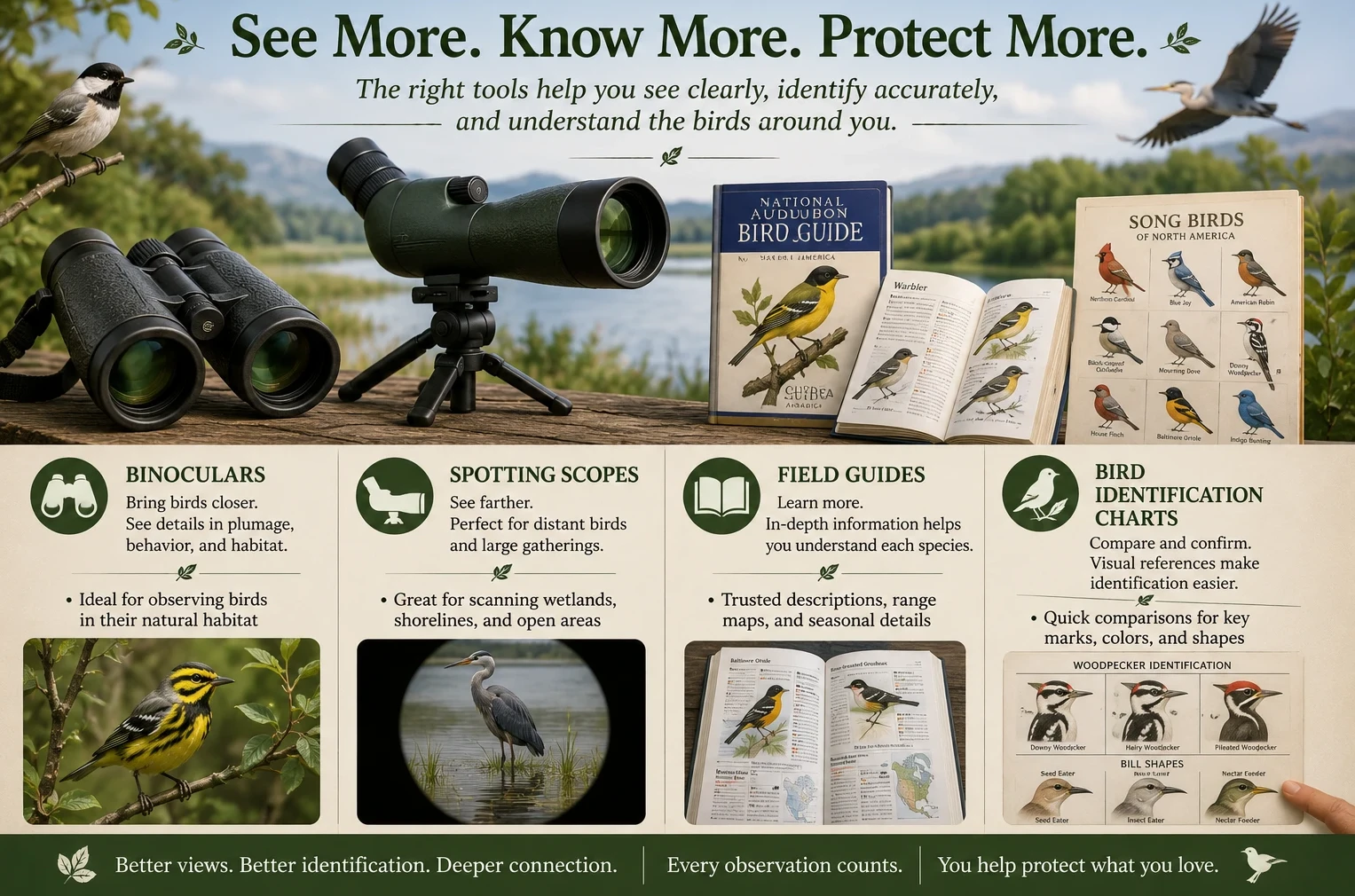
- Binoculars – They’re one of your best resources out in the field, helping you spot those tiny details from afar. It’s worth investing in a good pair, so you can enjoy clear views without straining your eyes. Consider factors like magnification and weight; you don’t want anything too heavy when you’re out for the day.
- Spotting Scopes – Come into play when you need a bit more power to see faraway birds clearly. They’re like amplified binoculars. If you’re viewing distant hawks or shorebirds, a spotting scope is essential. Paired with a durable tripod, they open up a new world of detailed observation.
- Field Guides – They help in identifying species right there in the field. Look for guides with clear pictures and detailed descriptions. Trust me, flipping through a guide to match that bird you saw is incredibly rewarding.
- Bird Identification Charts – Can be useful for quickly checking traits and sizes, especially if you’re out in groups or require instant comparisons. They’re compact, easy to use, and save time when every second counts in the field.
Lastly, maintaining these tools is just as important. Clean lenses make all the difference, so keep cotton or eco-friendly cleaning cloths handy. Proper storage and handling go a long way to ensure your gear lasts through many birdwatching adventures. Discover this additional resource of using live bird cameras to increase your observation time here.
Scientific Bird Tracking Methods and Technologies
In the past, birdwatchers relied purely on sight and sound. Today, scientific methods bring precision and depth to understanding bird movements and behaviors through analysis of data.
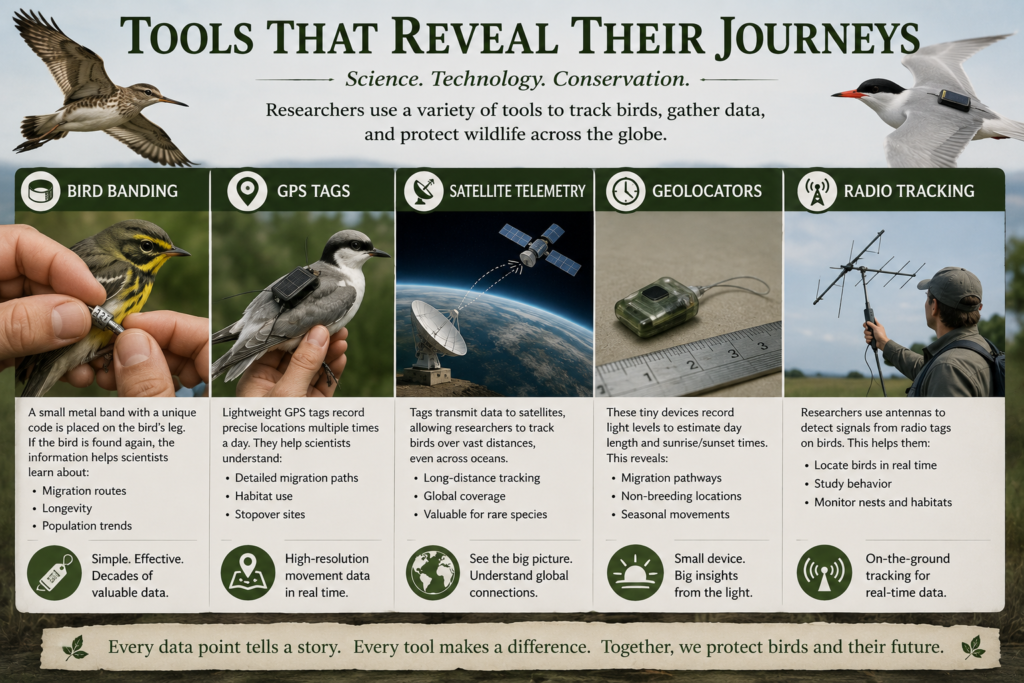
1. Bird Banding – Is a long-standing practice. Tiny bands placed on birds’ legs provide crucial data on migration, lifespan, and population growth.
2. GPS Tags – These tiny devices track birds in real-time, logging their movements. While they’re small, GPS tags are powerful tools that reveal new insights into migration patterns and habitat use that can change with time.
3. Satellite Telemetry – Then there’s satellite telemetry, a modern technique that offers global tracking capabilities. This method helps scientists study long-range migrants over vast distances that would be impossible to follow otherwise. Birds equipped with satellite transmitters send signals to scientists, letting them keep track of their long journeys from thousands of miles away.
4. Geolocators – Are most useful for small birds. These devices, fit securely to a bird’s back, use sunlight to estimate the bird’s location. Though data retrieval requires safely recapturing the bird, the extensive information gained makes it well worth it.
5. Radio Tracking – Is another handy technique, using lightweight transmitters to monitor bird movements in real-time. This method helps in understanding birds’ daily routines, feeding habits, and interactions with their environment.
I want to emphasize, these scientific methods not only increase our understanding of these precious creatures, but also guide conservation efforts, ensuring these feathered wonders grace our skies for generations to come.
Ethical Birdwatching Practices Every Bird Enthusiast Should Know
Just imagine, you’re out in the field, experiencing the joy of observing these amazing creatures. But along with the excitement comes responsibility. Minimizing disturbances is crucial. Birds need their space, just like all living things. Respecting their comfort zones reduces stress and keeps their natural behaviors the same.
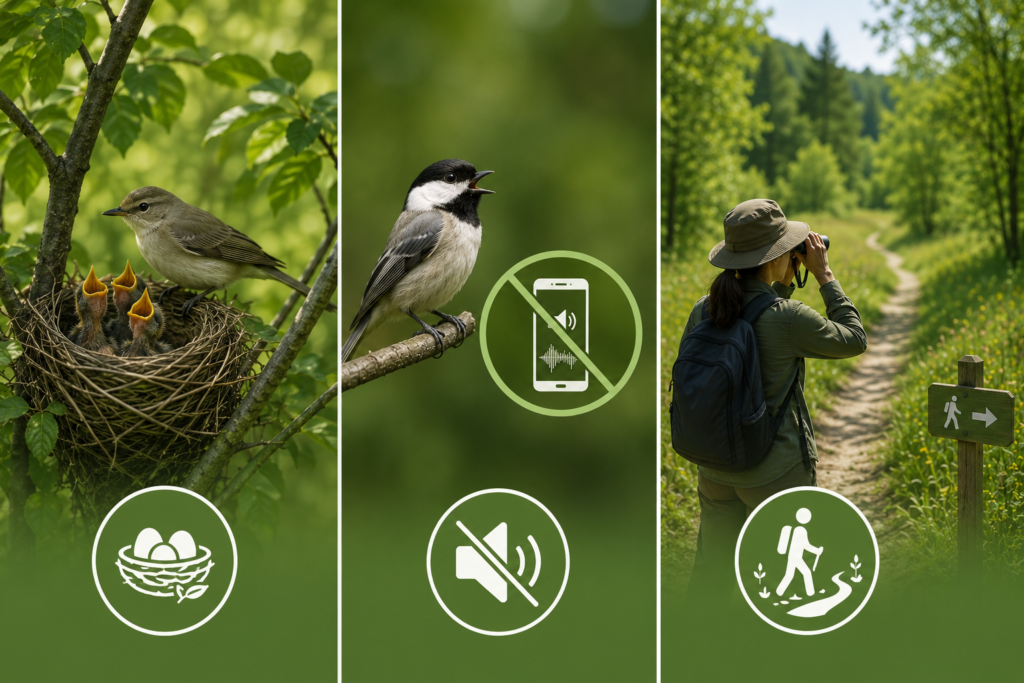
- Nest Sites are Special Sites – That should not be disturbed. Unless you are experienced with this and it is for a respected purpose like wildlife rehabilitation. Respect them as you would any precious spot. Keeping a respectful distance and avoiding sudden noises ensure we’re not intruding on these vital spaces where new life begins for our feathered friends.
- Playback of Bird Calls – Is not a good practice. Playing recorded bird calls to lure birds out isn’t just unfair; it can actually disrupt their natural behaviors. Using natural observation methods keeps birdwatching ethical and enjoyable for both birds and humans.
- Stay on Trails – It’s pretty tempting to wander off-track for a promising sighting, but doing so can damage habitats and disturb wildlife. Plus, designated trails often offer the best viewpoints anyway, so it’s a win-win situation for both wildlife and you.
Responsible wildlife observation isn’t about snapping the perfect picture. It’s about understanding and appreciating diverse behaviors and habits, ensuring our presence leaves no trace. With each step, we’re ambassadors for our environment, showing the world just how good birdwatching can be when done with care.
How Citizen Scientists are Shaping Bird Conservation
Did you ever consider you could play a part in bird conservation just by watching and noting down what you see? That’s what being a citizen scientist is all about. By observing and recording bird activity, you’re helping researchers collect data that’s vital to understanding avian life.
Citizen scientists contribute real and useful observations. Citizen science platforms for bird watching becomes part of larger studies on migratory patterns and species health, helping scientists forecast changes and develop conservation strategies. It’s like every tiny puzzle piece that is provided contributes and helps a much larger whole puzzle or picture.
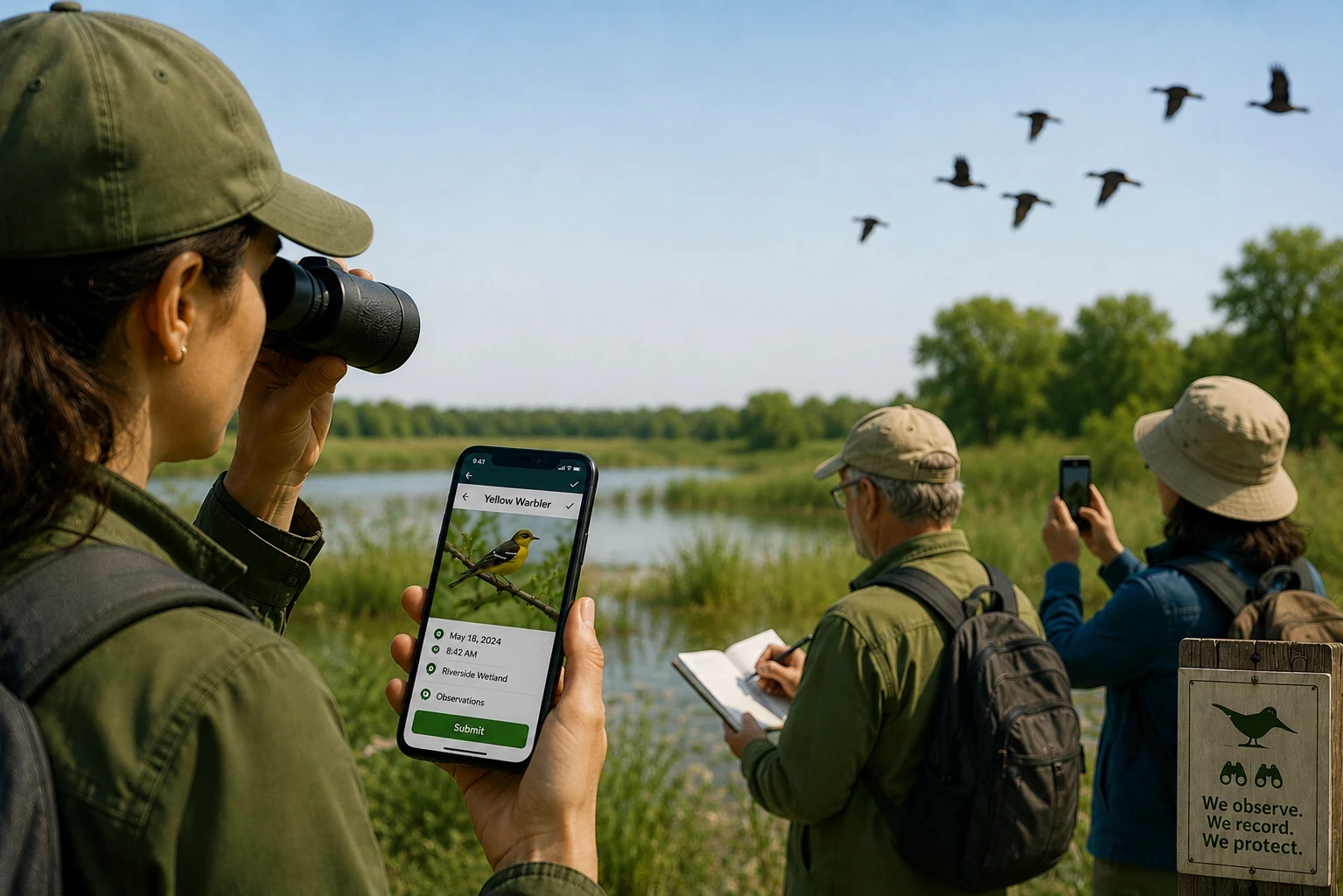
Also, Community engagement is another big way to influence positive change. By getting involved, whether through local bird clubs or global platforms like eBird, you connect with fellow enthusiasts. Sharing experiences and sightings fosters a deeper appreciation for our avian neighbors and promotes collective action. We are stronger in numbers.
Concluding Thoughts on How You Can Make a Difference
Whether you choose to start out casually as a hobby or you wish to directly influence scientific research using any combination of the research and tools above allows you to enjoy birds in the natural world and make a difference too. There’s no lack of success stories out there where citizen science truly saved the day. From identifying declining population numbers for species to monitoring the impacts of climate change, these volunteer efforts pull above their weight, leading to actual change in conservation efforts.
Educating others is one of the coolest parts of being a citizen scientist. Every bird sighting becomes a chance to promote awareness and inspire others to take up the cause. With more people participating, the future of birdwatching doesn’t just remain a pastime but evolves into a crucial environmental movement.
Enjoying bird observation as a hobby and becoming a citizen scientist doesn’t just help the birds. It fills an observer’s heart with the thrill of participation with purpose, immersing individuals into a global family of nature’s protectors.