Best Conservation Books For Nature Enthusiasts
Top Books for Environmental Conservation
The following conservation reading list explores books about biodiversity, forests, wildlife protection, climate change, and our connection with the natural world. Although I am writing this article during the summer, these recommendations are designed to inspire educators, students, and nature enthusiasts throughout the year to better understand Earth’s fragile yet resilient ecosystems and the importance of protecting them.
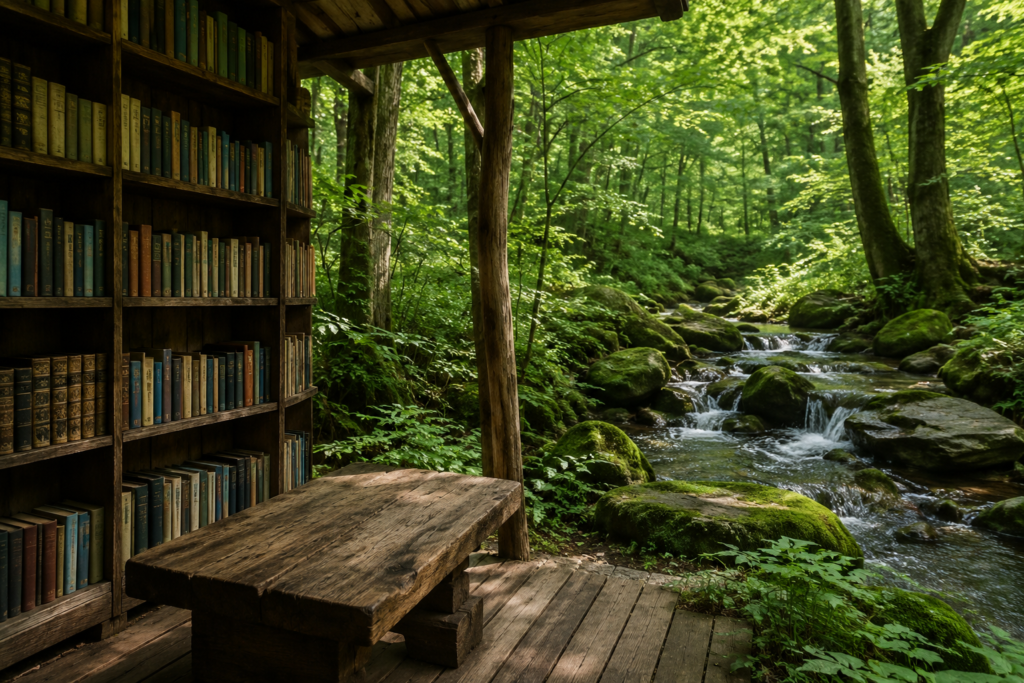
Recommended Environmental Books
Whether you’re looking for your next conservation book or building a lifelong environmental library, the following recommendations offer valuable insights into wildlife conservation, biodiversity, forests, climate change, and ecological stewardship. Beyond expanding your knowledge, reading has been associated with benefits such as reduced stress, improved emotional intelligence, increased cognitive resilience, and greater neural plasticity.
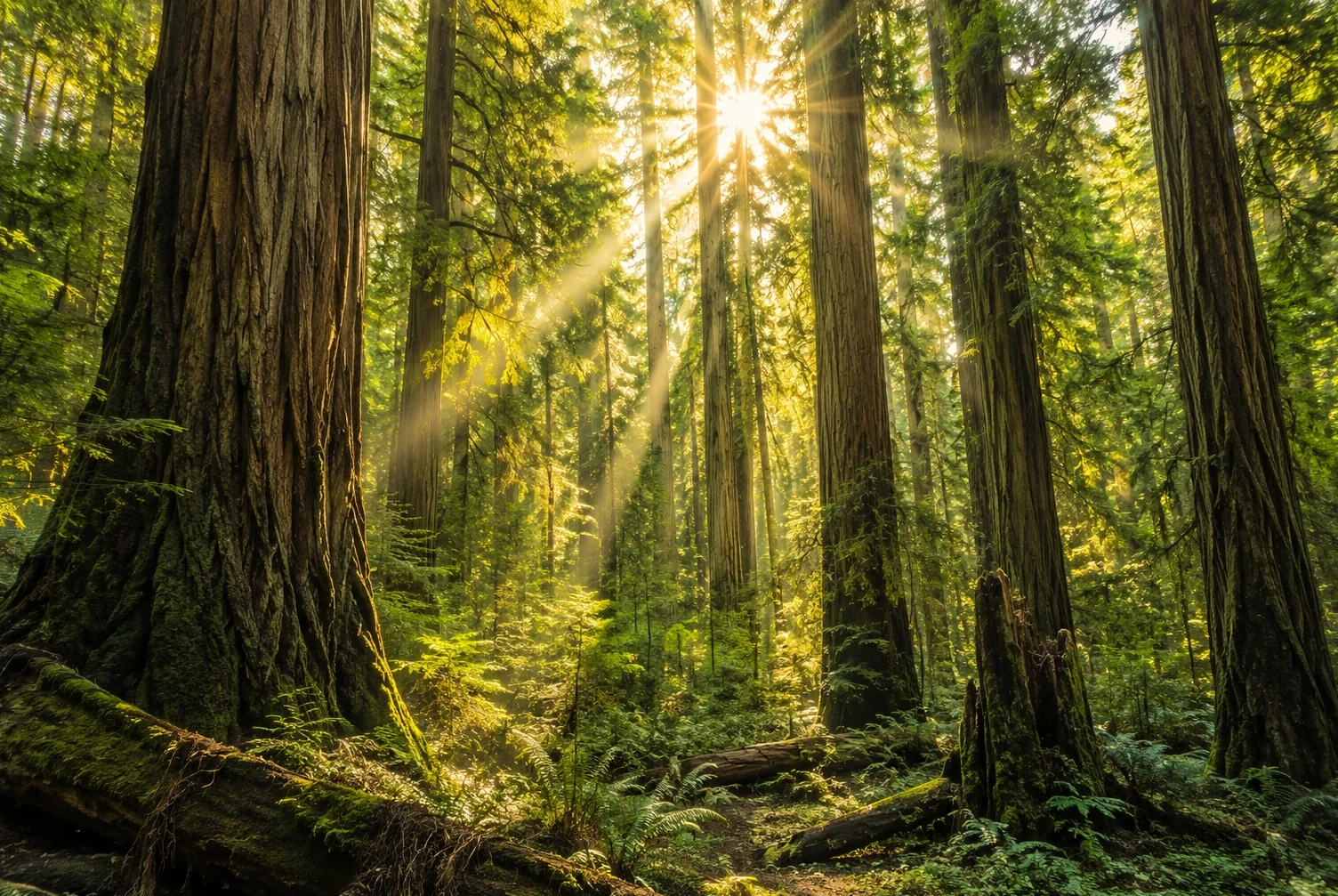
Book One – The Hidden Life of Trees – Peter Wohlleben – A Book that Reveals the Hidden World of Ecosystems
This is the first book I recommend. I have walked through many forests and they are all unique, not one has been the same. Whether it be different sounding birds in the canopy of trees above or the different arrangement of moss on the logs on the forest floor. Forests are more than collections of individual trees. This book encourages you to explore forests as living ecosystems where trees, fungi, wildlife, and environmental conditions are connected. Understanding these relationships can inspire better conservation decisions. You can learn more about forest ecology by exploring the following U.S. Forest Service’s Ecology page.
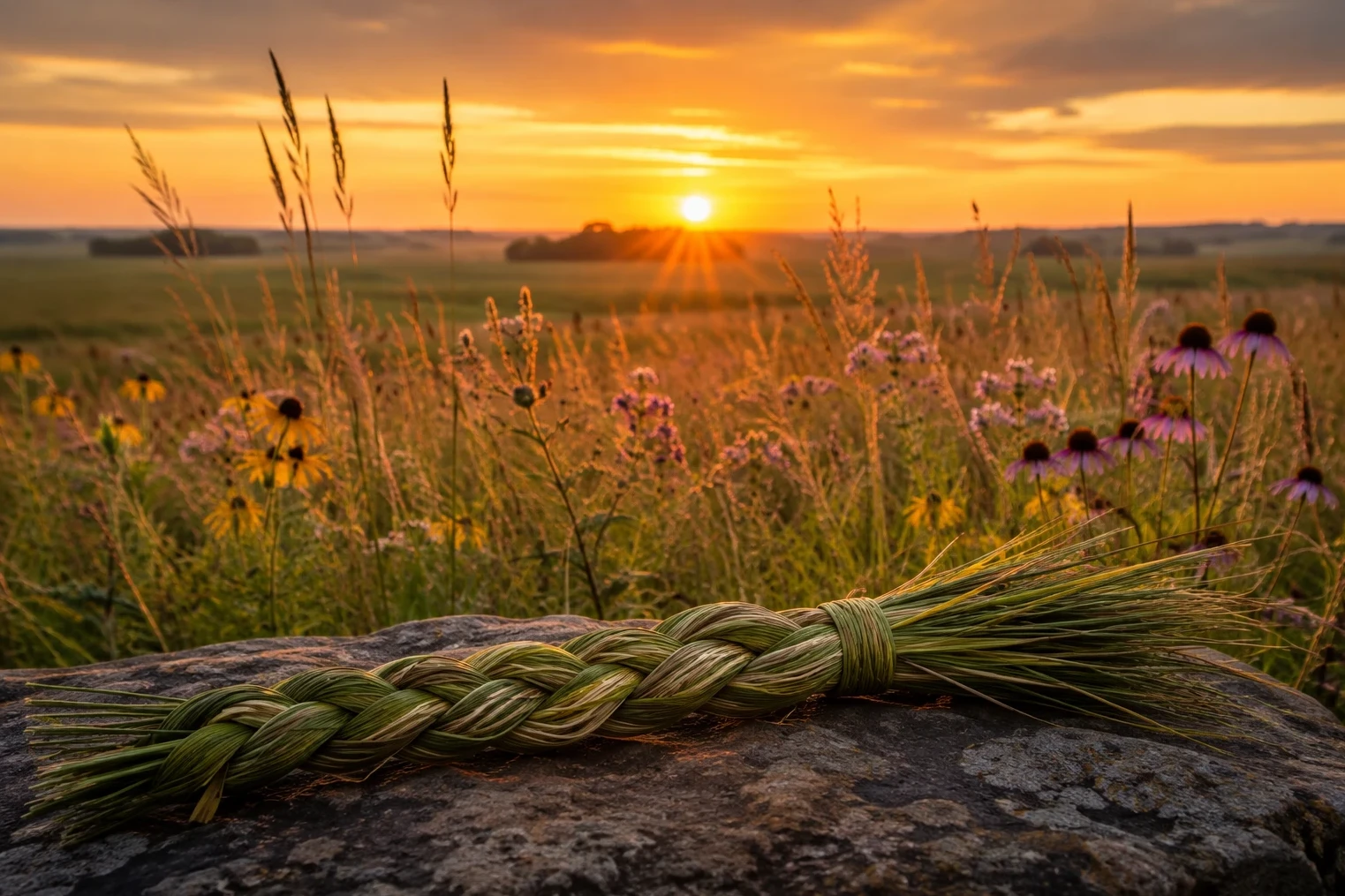
Book Two – Braiding Sweetgrass – Robin Wall Kimmerer – A Book that Explores Our Relationship With Nature
Next, I recommend this second book. As mentioned in my biographical section, I have worked in an Ecology lab and have a science background. Despite my credentials there is still so much more to learn and appreciate. Conservation is not only about protecting species; it is also about understanding our relationship with the natural world. This book combines scientific observation with traditional ecological knowledge, encouraging readers to see nature through multiple perspectives.
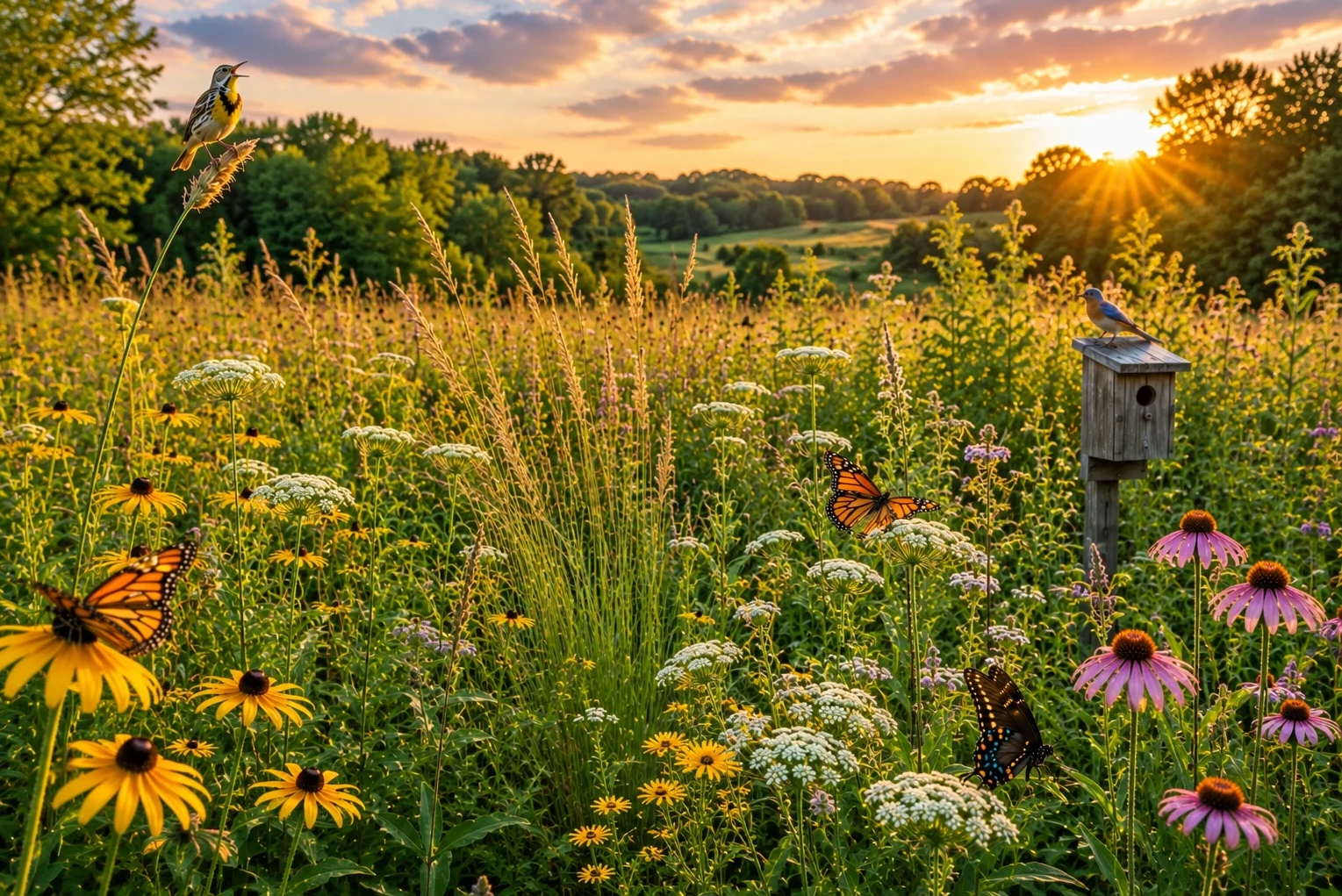
Book Three – Wilding – Isabella Tree – A Book about Restoring Wildlife Habitats
Additionally, it is always important to have hope. This is why I recommend this third book. Habitat restoration is one of the most powerful tools in modern conservation. This practice improves biodiversity, ecological resilience, and ecosystem function. Wilding introduces readers to rewilding, a conservation approach focused on allowing natural processes and biodiversity to recover.
Furthermore, not every conservation book has the same focus. Some of them explore forest ecology, while others emphasize climate science, wildlife conservation, or environmental philosophy. If you’re new to conservation, begin with books that match your interests. Readers who enjoy wildlife may appreciate A Sand County Almanac or Wilding, while those interested in environmental history might start with Silent Spring. Choosing a book that aligns with your curiosity makes it more likely you’ll finish it and continue learning.
Book Four – The Sixth Extinction – Elizabeth Kolbert – A Book about Biodiversity Loss and Conservation Challenges
Then there is the importance of acting now. There is no better time than the present. For this reason, I recommend this third book. Protecting wildlife begins with understanding why species decline. This book explores biodiversity loss and how human decisions directly influence ecosystems around the world.
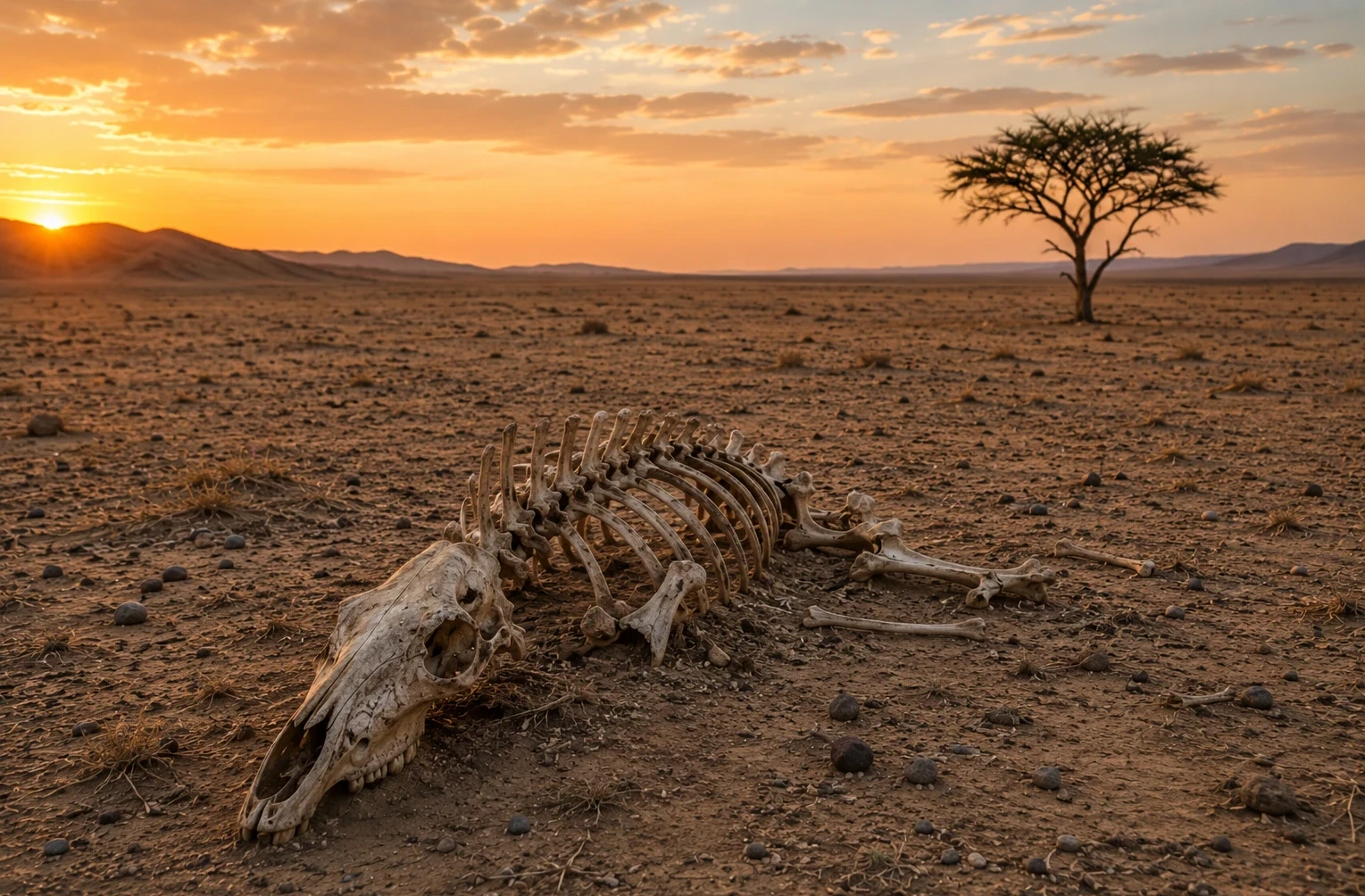
Book Five – A Sand County Almanac – Aldo Leopold – A Book that Explores Conservation Ethics
Fourth, I recommend this book for conservation ethics. It was required reading in college for me as mentioned in my article for teachers who are developing curriculum. Exploring the philosophical end of ecological stewardship is equally important and this is explored in this book.
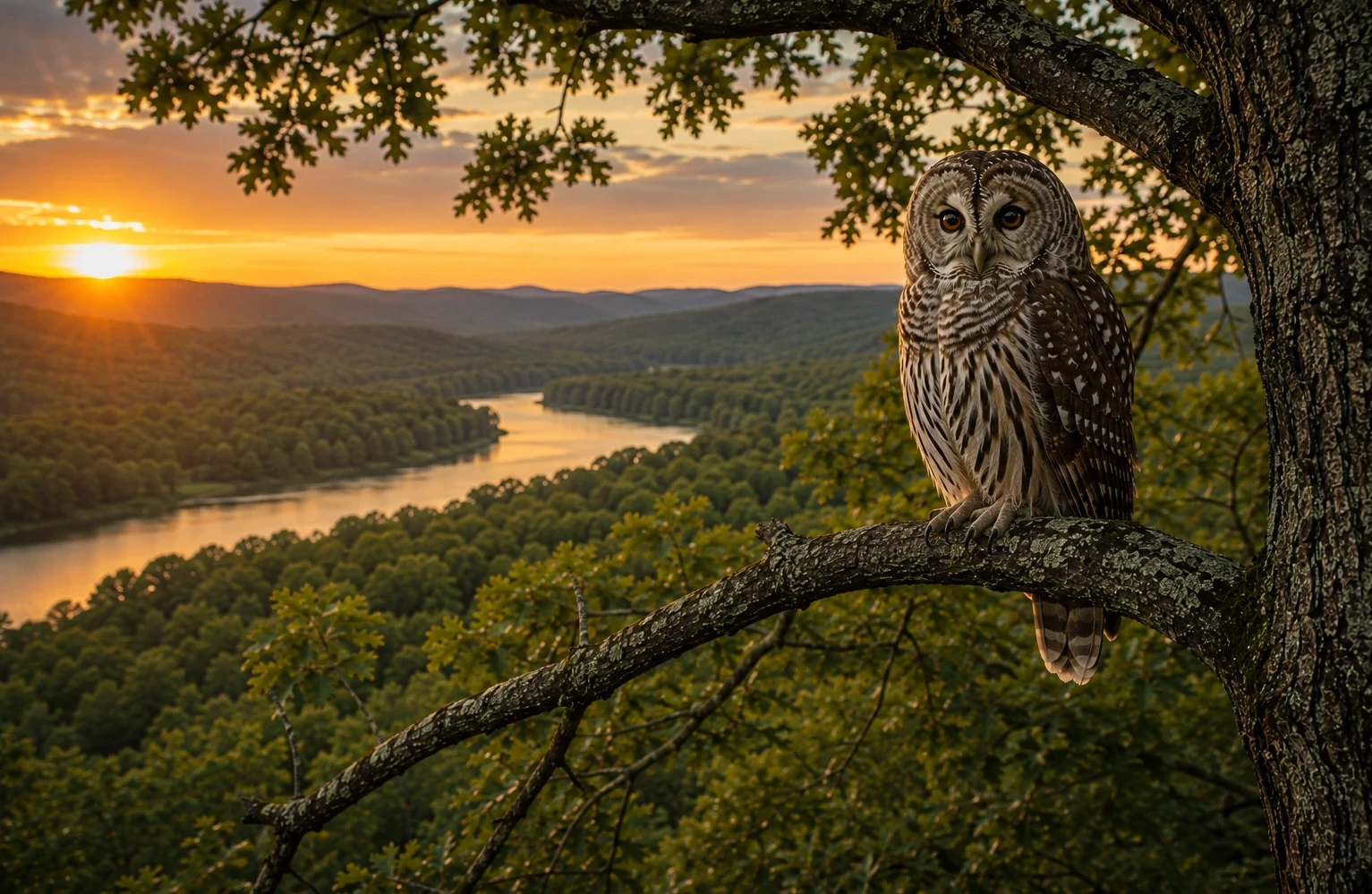
Book Six – Silent Spring – Rachel Carson – A Book that Encourages Environmental Activism
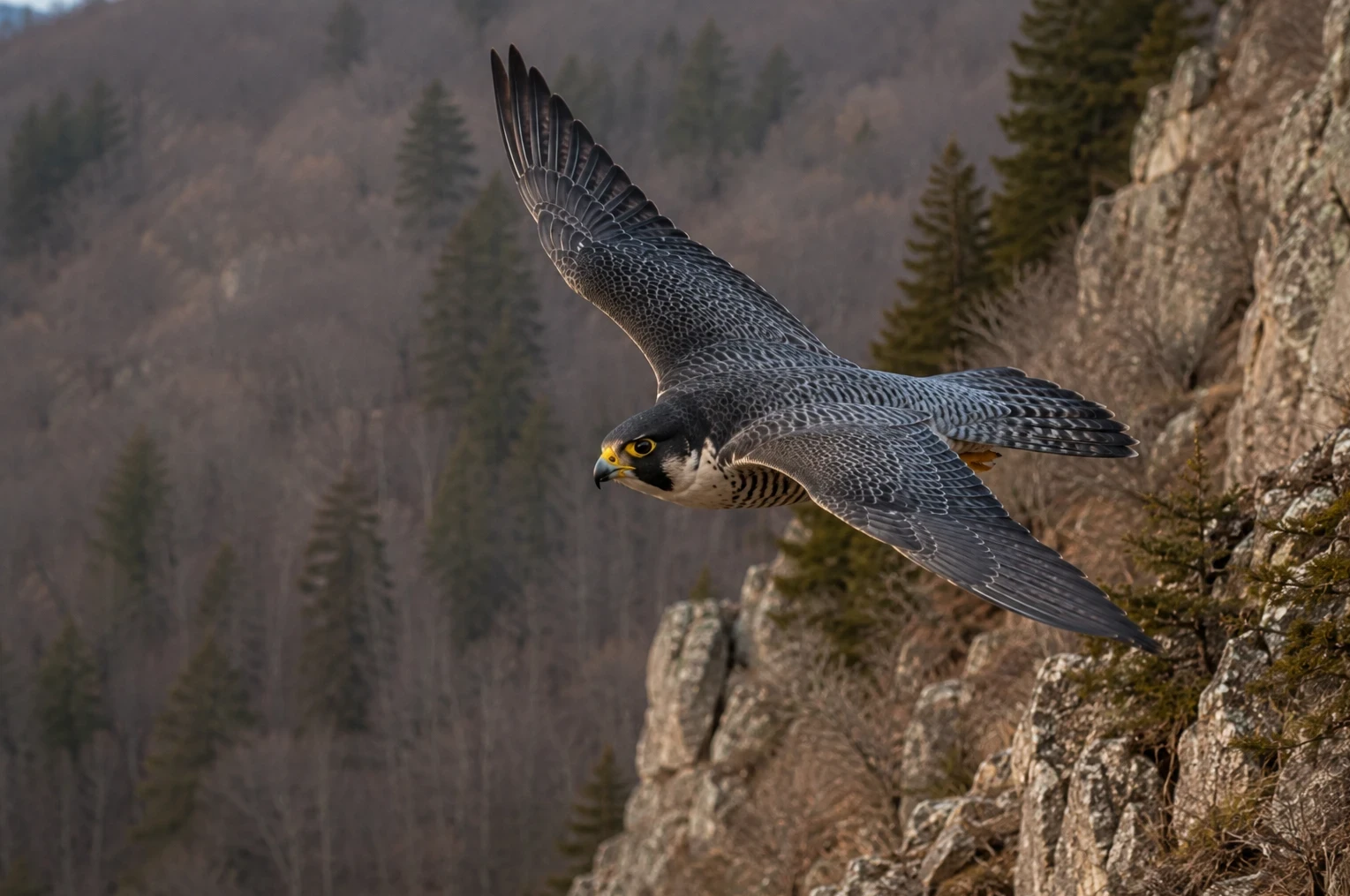
This book has a good message that has brought forth positive change already. I am recommending this sixth book for this reason. In my Migratory Bird Education article, I share a video from the Audubon Society which credits this book in helping restore populations of endangered birds like the Peregrine Falcon through bringing awareness to the harmful effects of chemicals. These chemicals where banned and their populations improved in numbers because of this. You can learn more about Rachel Carson’s legacy and the lasting impact of Silent Spring through the Rachel Carson Council.
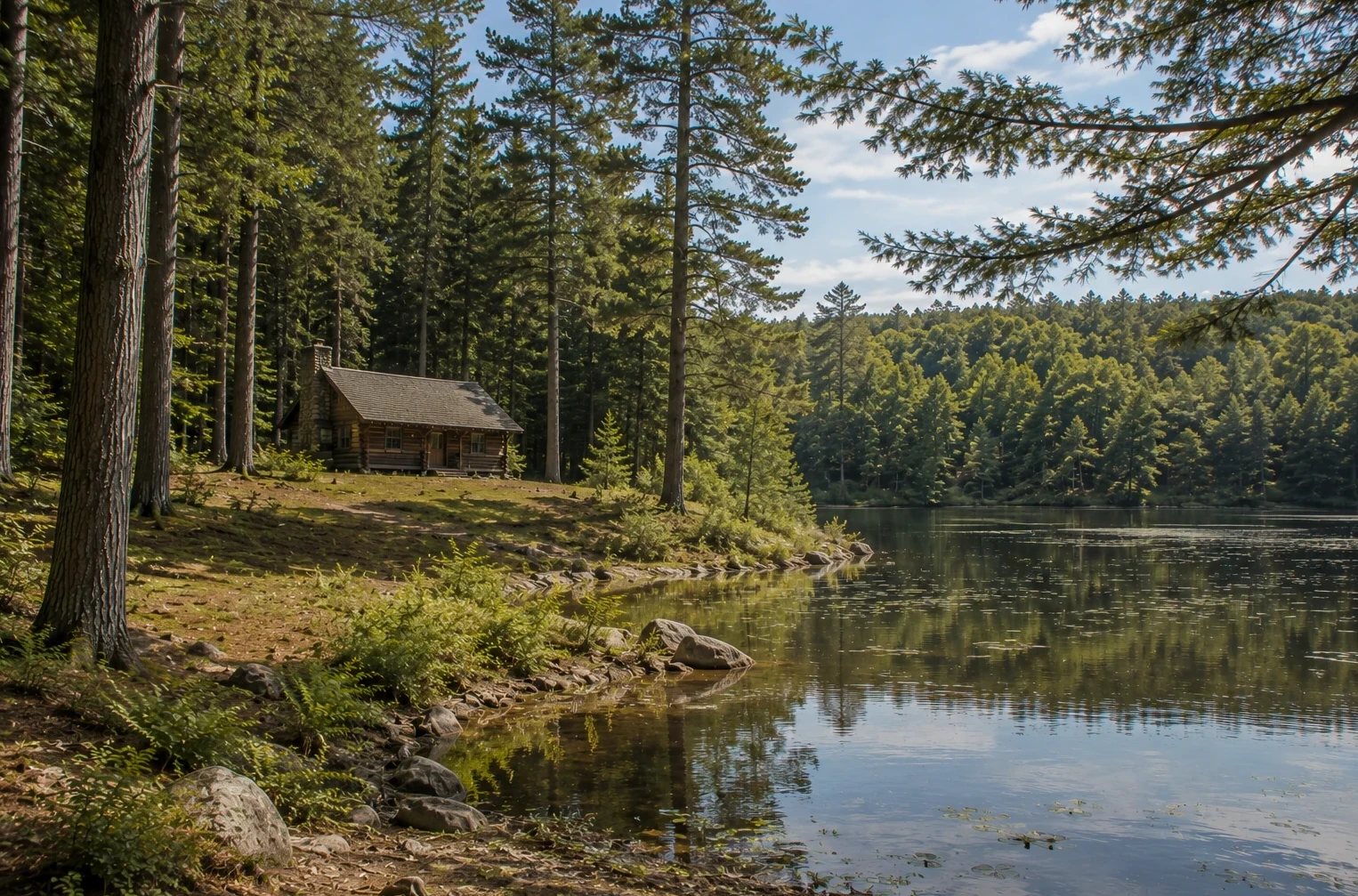
Book Seven – Walden – Henry David Thoreau – A Book that Promotes the Environmental Experience
Last but certainly not least, I recommend this book. As it is a classic and was also talked about in my conservation education article and required reading for me in college. This seventh book explains the experience of nature as Thoreau spends extended time in it reflecting and understanding it. He then offers this wealth of knowledge to us through his writings.
Concluding Thoughts
To sum it up, every conservation journey begins with learning. Whether your goal is to protect wildlife, restore habitats, or simply appreciate nature more deeply, these books provide knowledge that can inspire meaningful action for the here and now and generations to come. Reading is often the first step toward conservation. Every small action begins with understanding, and understanding often begins with a good book.
This is why I recommend you use this best nature conservation books reading list to enhance your life, keep your mind active, and seek solutions for a healthier earth. Some of the ways you can enhance your reading experience is to create a nature journal while reading, visit local parks and conservation areas, research species mentioned in the book, join citizen science projects, and actively discuss solutions.