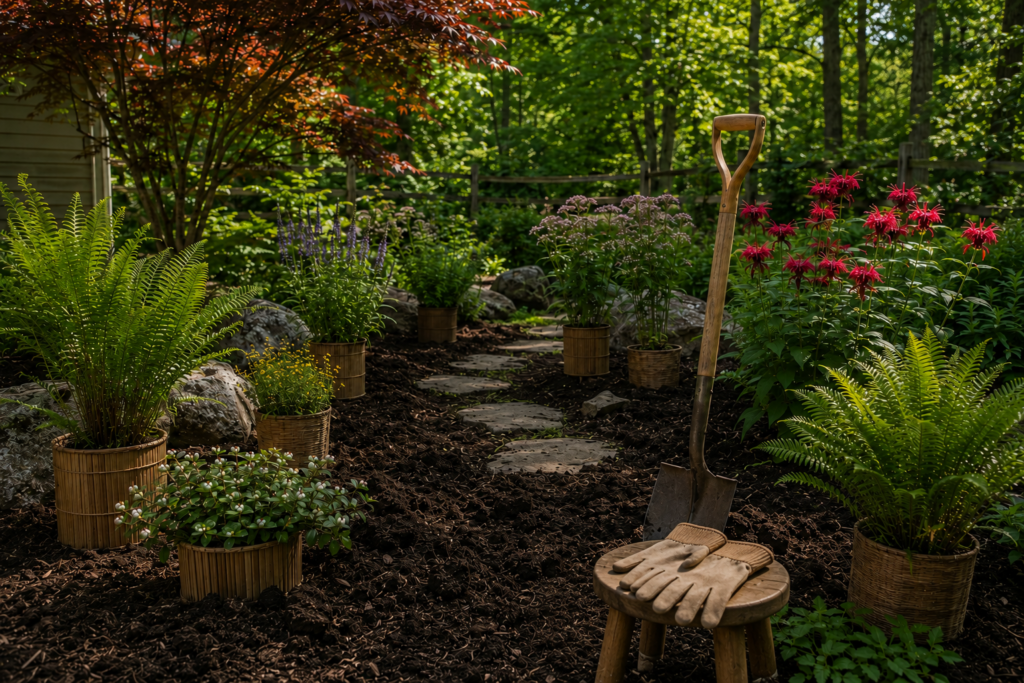
Guide To Native Plant Gardening
What are the Benefits of Native Plants
I want to emphasize from personal experience that native plant gardening is more than a way to create an attractive landscape. When plants are selected for their natural relationship with the local environment, a garden can provide food, shelter, and habitat for pollinators, birds, and other wildlife.
In this guide, I’ll explain how native plants support local ecosystems, how to begin creating a native plant garden, common mistakes to avoid, and resources that can help you make informed choices for your region.
Exploring Sustainable Gardening Practices in Depth
When I worked professionally in an ecology laboratory in New Jersey, I did fieldwork studying native plants and their ecological relationships. I observed how wetland plants differed from those found in grassland habitats, including differences in the soils and environmental conditions where they grew. My observations of New Jersey wetland soils and how they ranged from black to brown colors reflected the differences in mineral composition and the environmental conditions in which these plants had adapted to grow in. This experiential knowledge reinforced for me the importance of choosing plants that are indigenous to the region where you live.
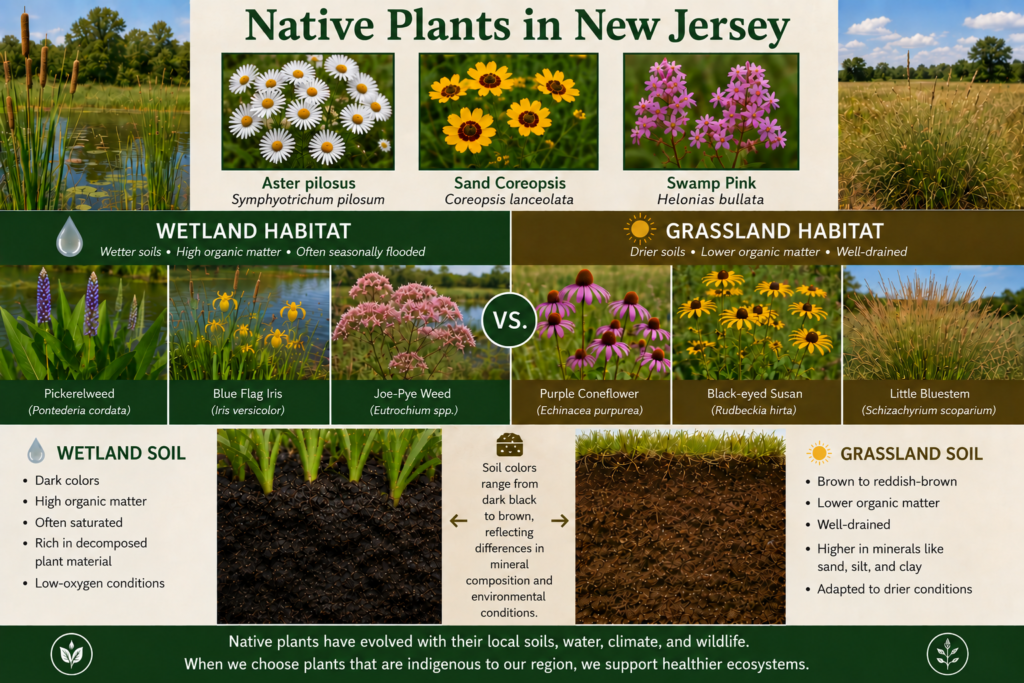
Furthermore, it is important to note that native plants play a vital role in maintaining the delicate balance of our ecosystems. They’re the original inhabitants that have evolved over centuries, perfectly acclimated to local soils, climates, and wildlife. When you incorporate these plants into your garden, you’re not just adding beauty, you’re actively participating in preserving your local environment.
Now, you might be thinking, does it really matter the difference between native and non-native plants? Simply put, yes it does, because non-natives can disrupt ecological harmony. They haven’t evolved with the same checks and balances as native plants, often becoming invasive and outcompeting local species. By sticking with native plants, you’re being a responsible gardener and helping to sustain the local flora and fauna.
Additionally, native plants and local wildlife have a kind of symbiotic history. Over time, they’ve adapted and evolved to compliment each other’s needs. Birds, insects, and other creatures have come to rely on these plants for food and shelter. Without them, local wildlife may find itself without the necessary resources to survive and thrive.
Also, it is important to consider regional adaptation. Native plants are specialized to withstand climate and soil conditions specific to their region. This means they may be well adapted to local conditions and, once established, may require less supplemental watering when planted in an appropriate location.
Ultimately, native plant gardening isn’t just about aesthetics or what is popular at the time. It’s about ecological relationships and commitment to restoring and supporting nature right outside your door. Your garden can become a mini-hotspot for biodiversity, abundant with life, and contributing to the health of your local ecosystem.
How Native Plant Gardens Anchor Local Ecosystems
As I discuss this subject further, understanding the ecological web and how it can be enhanced by gardening with indigenous plants brings more clarity and enjoyment to a gardening experience. Including sustainable gardening practices is an asset for both you, the plants, and other living creatures that you share your gardening space with.
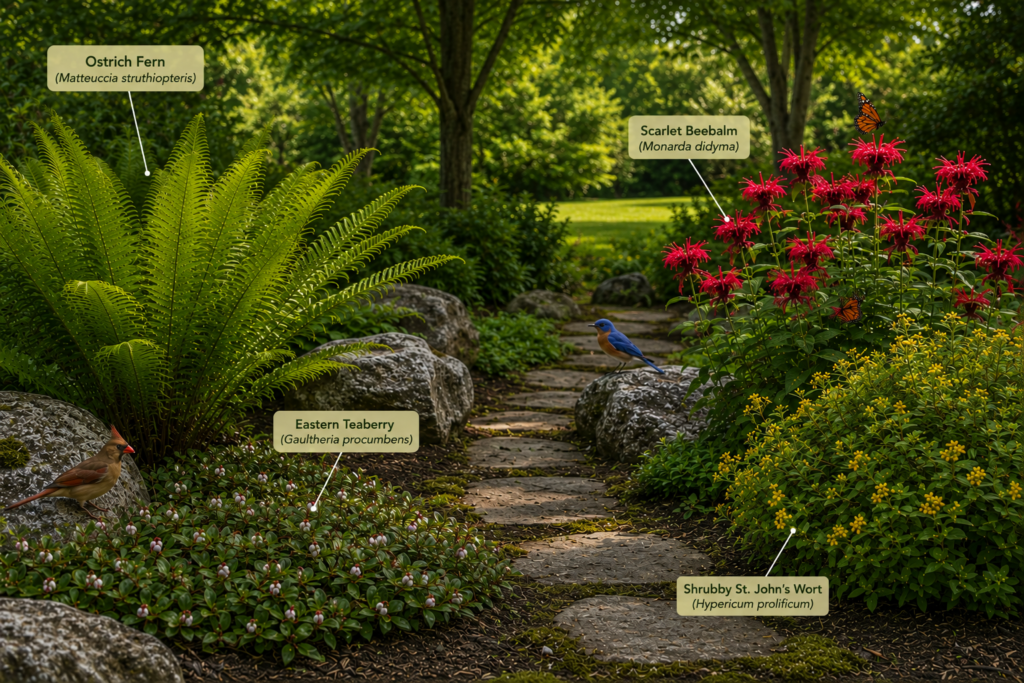
- Pollinators like bees and butterflies appreciate a native plant garden. These creatures are important in transferring pollen from one flower to another, enabling plants to reproduce which is especially crucial for fruit-bearing plants. By cultivating nectar-rich native plants, your garden becomes a haven for these pollinators, ensuring the cycle of life continues.
- Birds also frequent native gardens where they find food and nesting opportunities. With the right selection of trees and shrubs, your garden can offer shelter and a variety of seeds and insects, making it a year-round sanctuary for biodiverse residents.
- Beneficial Insects are often thought of as a nuisance, but they’re really protectors in disguise. Ladybugs, for instance, can keep pest populations in check. Native plants attract these insects, creating a natural pest control system that’s far safer than chemical pesticides.
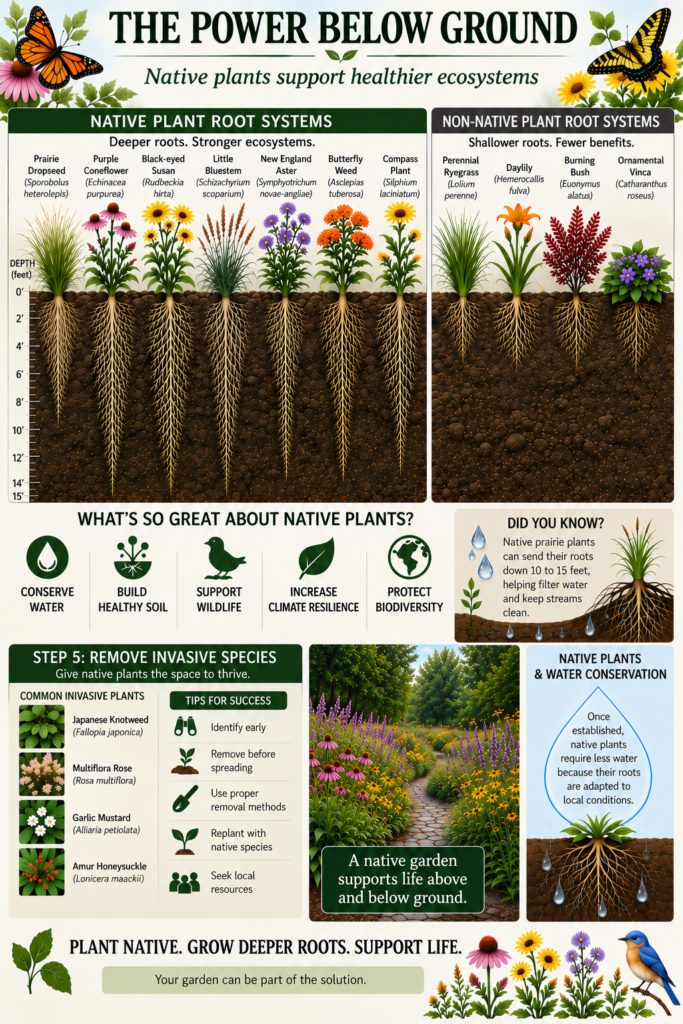
- Soil Organisms often go unnoticed, but they’re essential for soil health. Native plants enhance root systems that, in turn, feed these tiny creatures. A healthier soil fosters a more resilient garden and contributes to improved water retention, which is crucial during dry spells.
- Water is what native plants are experts at conserving. Many native plants are well adapted to the soil and moisture conditions of their natural range and, once established, may require less supplemental watering than plants poorly suited to those conditions.
- Reduced or Eliminated Chemical Use is another advantage of native plant gardening. By building a diverse habitat that encourages natural predators to control pests, you minimize or can eliminate the need for synthetic fertilizers and pesticides. On my indoor plants, I use natural fertilizers. There are many organic options available instead of using synthetic chemicals. This approach makes your garden safer for both humans and wildlife.
In a nutshell, native plant gardens aren’t just pretty to look at, they offer a whole host of environmental benefits. By nurturing pollinators, birds, beneficial insects, and more importantly, you’re creating a balanced ecosystem right in your backyard. It’s conservation work at its best and rewarding. Also, I want to clarify that some native plants develop extensive root systems that are well adapted to their local environments as reflected in the picture below.
How to Start a Native Plant Garden
Getting a native plant garden going might seem a bit overwhelming at first, but it’s totally manageable with some careful steps. Learning how to start native plant gardening for ecosystems is a simple process that begins with planning.
Step One
Start by taking a good look around your property. Notice where the sun hits and where the shade lingers. Understanding sun exposure is key to selecting the right plants that will thrive in your space.
Step Two
Next, you can use the USDA hardiness zone map provided by the United States Department of Agriculture below as a starting point when evaluating which plants may be appropriate for your area. A hardiness zone should be considered alongside factors such as soil, sunlight, moisture, and the plant’s natural geographic range.
Step Three
From there, testing your soil is another important detail. It’s like getting a health check-up for your garden. Knowing whether your soil leans more acidic or alkaline helps in choosing plants that’ll flourish naturally. Soil testing kits are easy to purchase at most garden centers or online.
Step Four
Alright, with your sunlight and soil chemistry accessed, it’s time to choose your plants. I recommend local native species that match your conditions. Not only are they more likely to thrive, but they’re also better for supporting local wildlife. I am providing another useful resource for identifying native plants in your area, offered by PlantNative, below.
PlantNative Regional Native Plant Lists
Step Five
Before planting, it’s important to consider clearing out any invasive species. Invasive plants can deplete resources and outcompete native species. I just want to clarify though, not every non-native plant is invasive, but invasive plants can displace native species and alter local ecosystems.
Step Six
When it comes to planting, think layers. Just like a forest or meadow, having a mix of ground covers, shrubs, and trees creates a habitat that’s attractive and diverse. It’s like building a community of plants that support each other and the local ecosystem.
Step Seven
Don’t forget about mulch. A proper layer can help retain moisture, suppress weeds, and enrich the soil. I recommend doing this with a thin layer or in moderation. You don’t want to suffocate your plants.
Step Eight
Finally, remember that new plants do require care. Water them regularly as they establish themselves, especially if Mother Nature isn’t lending a hand with some rain. You’ll be on your way to having a flourishing native plant garden in no time.
Making Informed Choices and Avoiding Common Mistakes
Choosing the right plants means understanding your region’s unique qualities. The USDA hardiness zones are a good starting point, but don’t forget about local resources. State native plant societies and extension offices are known to have experts who know the specifics of regional flora better than anyone. Please also see the map below in the making informed choices section for a visual guide to U.S. hardiness zones. Additionally, If you would like to enter your ZIP code to find your specific USDA Plant Hardiness Zone, please click the link below to explore the interactive map provided by the United States Department of Agriculture.
- Benefits to Wildlife is an essential consideration when you select plants. Different species attract different critters, and having a variety of plants ensures that you’re potentially supporting the full range of local fauna. Think about plants that cater to pollinators like bees or butterflies and those offering fruit or seeds for birds.
- Invasive Species Awareness is important in the gardening world, going native means being aware of invasive species that enter your growing territory. Ornamentals might look pretty initially, but some can escape our cultivated spaces and become a concern to your native plants. Local experts can help you avoid these potential pitfalls. In my frequently asked questions section I offer access to experts through Cornell Cooperative Extension.
- Over-Mulching is another common mistake. While mulch is great for retaining moisture and suppressing weeds, layering it on too thick can suffocate plants and harbor pests. A thin, even layer usually does the job.
- Organic or Natural extends to pest control, too. Pesticide use can harm beneficial insects along with the pests. Encouraging a balanced ecosystem naturally handles pests more sustainably, showing that nature’s balance is worth trusting.
- Patience is the Key expecting immediate results is a common incorrect expectation. Native gardens are about enjoying the journey. They may take a little time to establish, but the rewards are abundant habitats flourishing with life. Patience, it turns out, is as much a gardener’s friend as sunshine and rain.
Taking all these things into consideration, I want to emphasize that avoiding these common errors makes you more than just a gardener. You become a steward of local biodiversity. Each careful choice enhances your garden’s potential to support and enrich the local ecosystem.
Books and Resources for Native Plant Gardeners
Starting native plant gardening can feel like walking into a new world, but with the right resources, it’s a journey filled with discovery and enjoyment. Picking up beginner books on native gardening can be a game-changer. They break down the basics with practical guidance and engaging illustrations, making it easy for anyone just beginning or experienced.
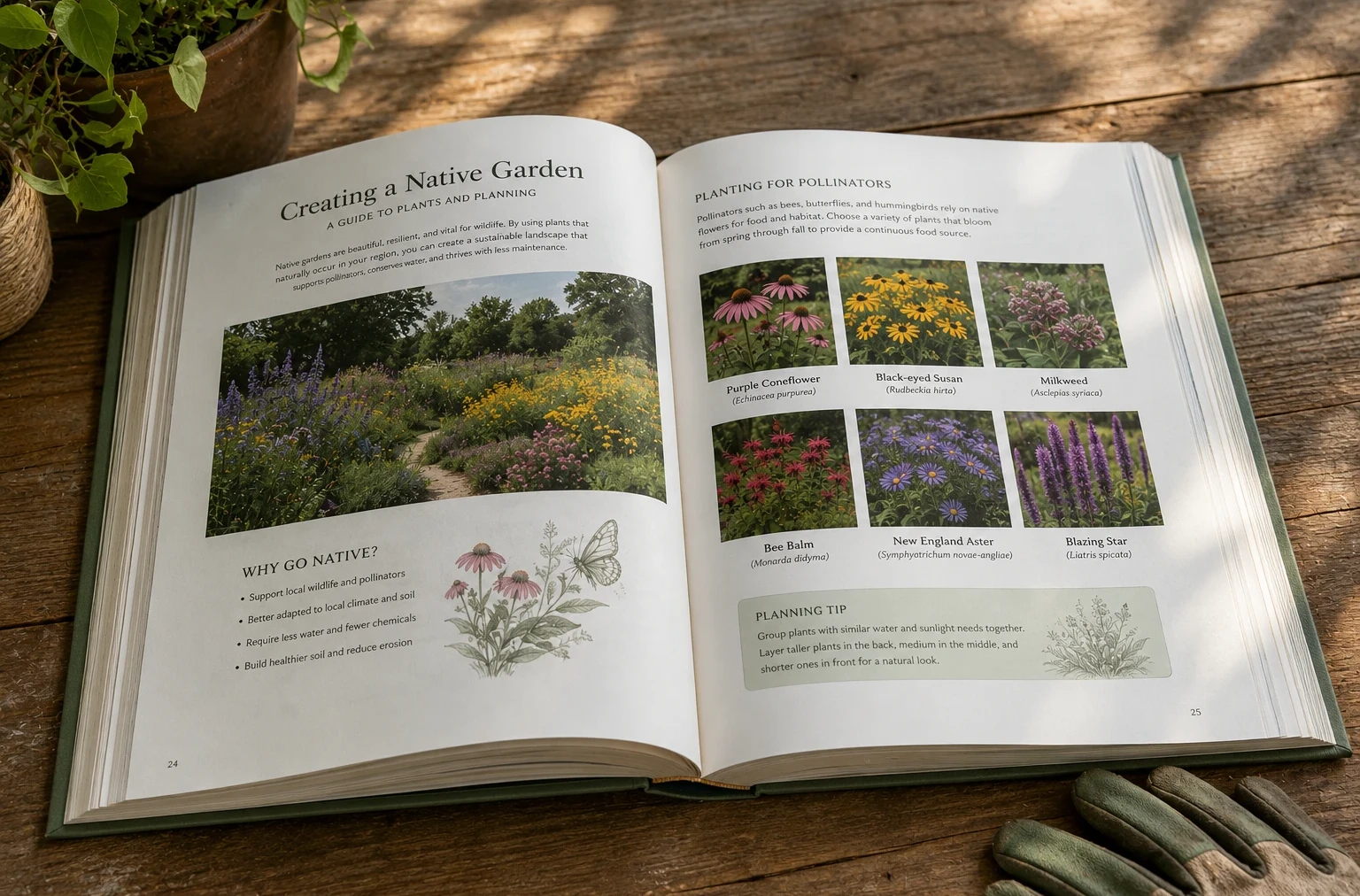
Regional Native Plant Field Guides
Regional field guides are another convenient resource. They offer a detailed look at the native plants in your specific area, providing insights into what thrives locally. These guides often include beautiful photos and detailed descriptions, which makes plant identification simpler during your garden planning and walks.
Book One – Wildflowers in the Field and Forest: A Field Guide to the Northeastern United States – Steven Clemants and Carol Gracie – Regional Guide for New York, New Jersey, Pennsylvania, and New England
This guide includes 1,400 species of plants. It uses color photographs, plant descriptions, and range maps, making it helpful for identifying plants in the field.
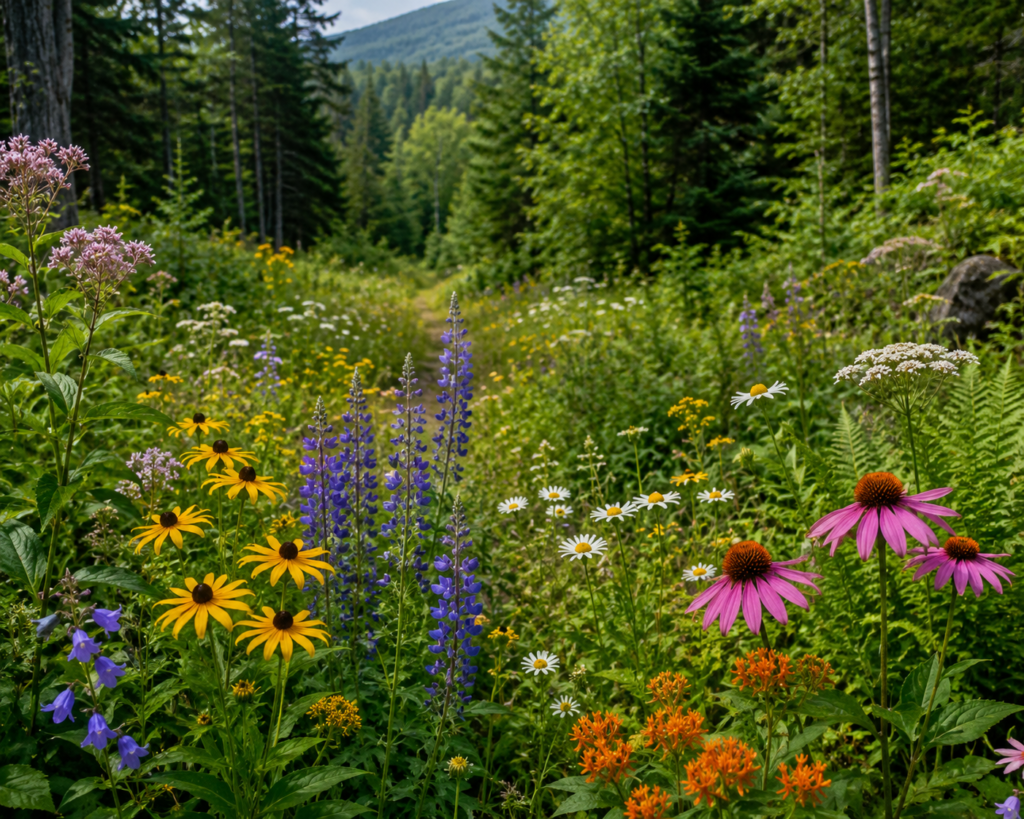
Book Two – Spring Wildflowers of the Northeast: A Natural History – Carol Gracie – Focuses on Ecosystem Dynamics and Plants
If learning more about spring wildflowers and their relationships with pollinators, herbivores, and seed dispersers is something you enjoy, then this is the book for you. The author is a naturalist, photographer, writer, and former New York Botanical Garden educator.
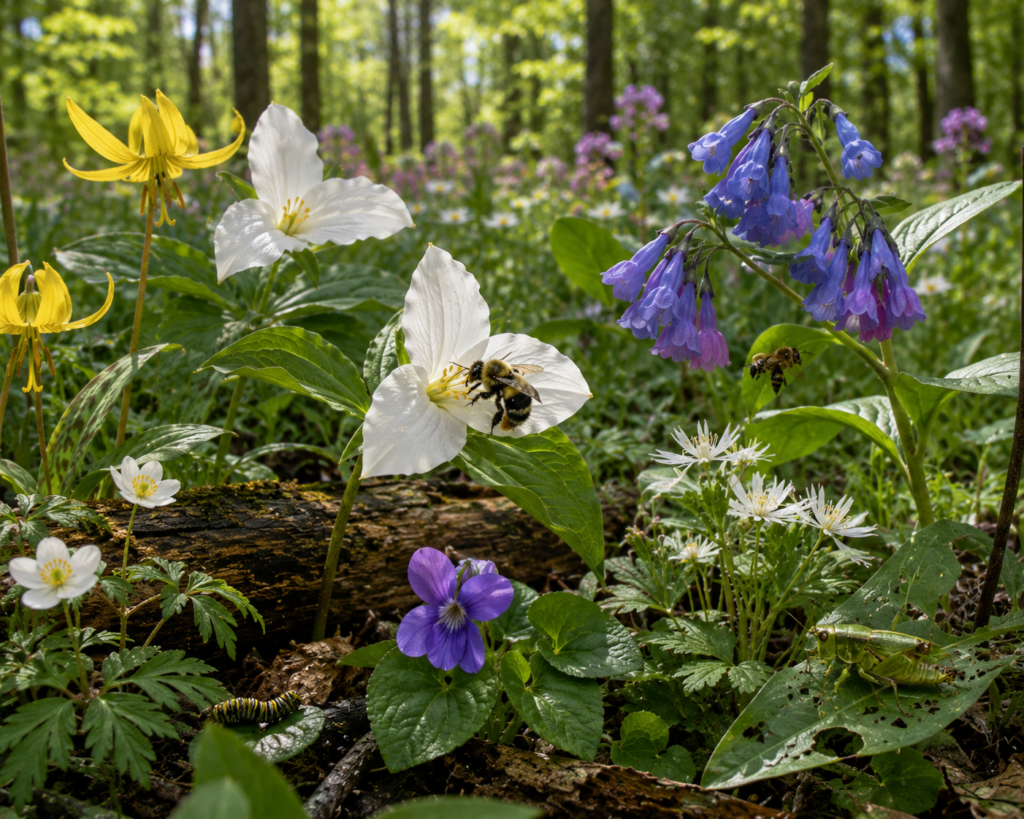
Pollinator Gardening Resources
Pollinator gardening books are great resources for anyone interested in creating a paradise for bees, butterflies, and birds. They provide specific guidance on which plants best support these important creatures, along with design tips to make your garden both functional and beautiful.
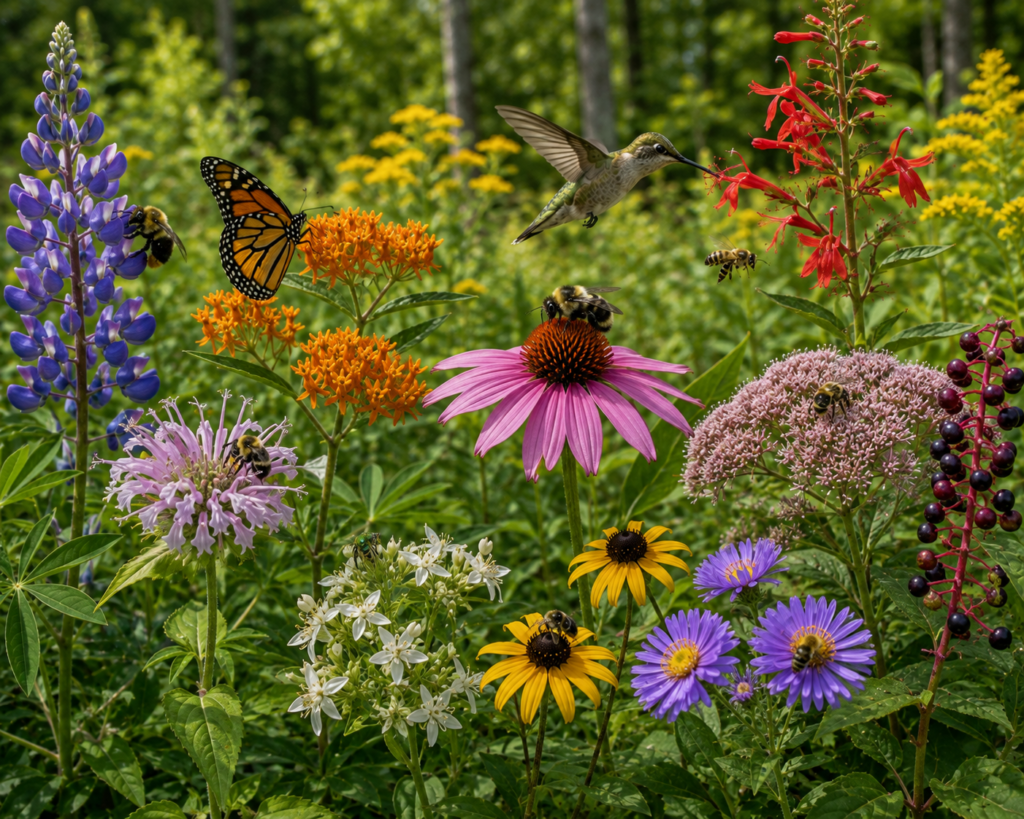
Book One – Pollinators of Native Plants – Heather Holm – The Ecology of Native Plants and the Insects
If you would like to have a garden with flowers and fruit bearing native plants, this is the book for you. A detailed resource , with useful information for creating pollinator-friendly gardens.
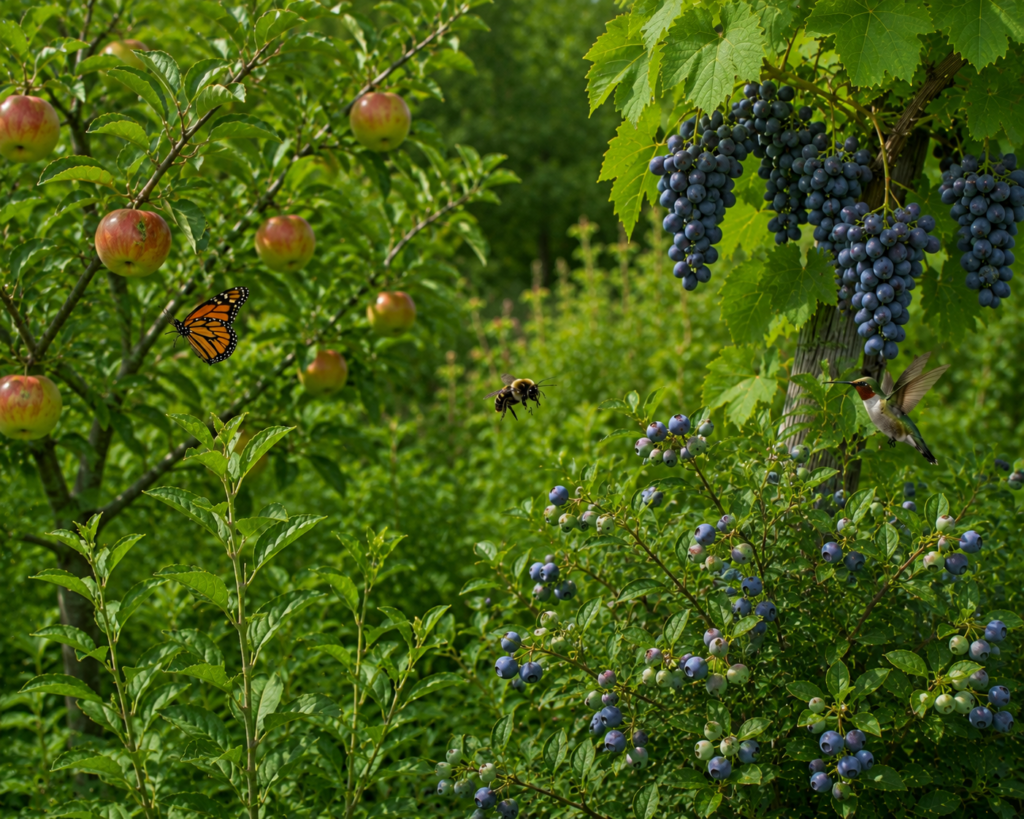
Book Two – Attracting Native Pollinators: The Xerces Society Guide to Conserving North American Bees and Butterflies and Their Habitat – Xerces Society and Gretchen LeBuhn
I recommend this book that covers pollinator ecology, habitat needs, nesting sites, and pollinator-friendly landscape design if you are interested in understanding the big picture.
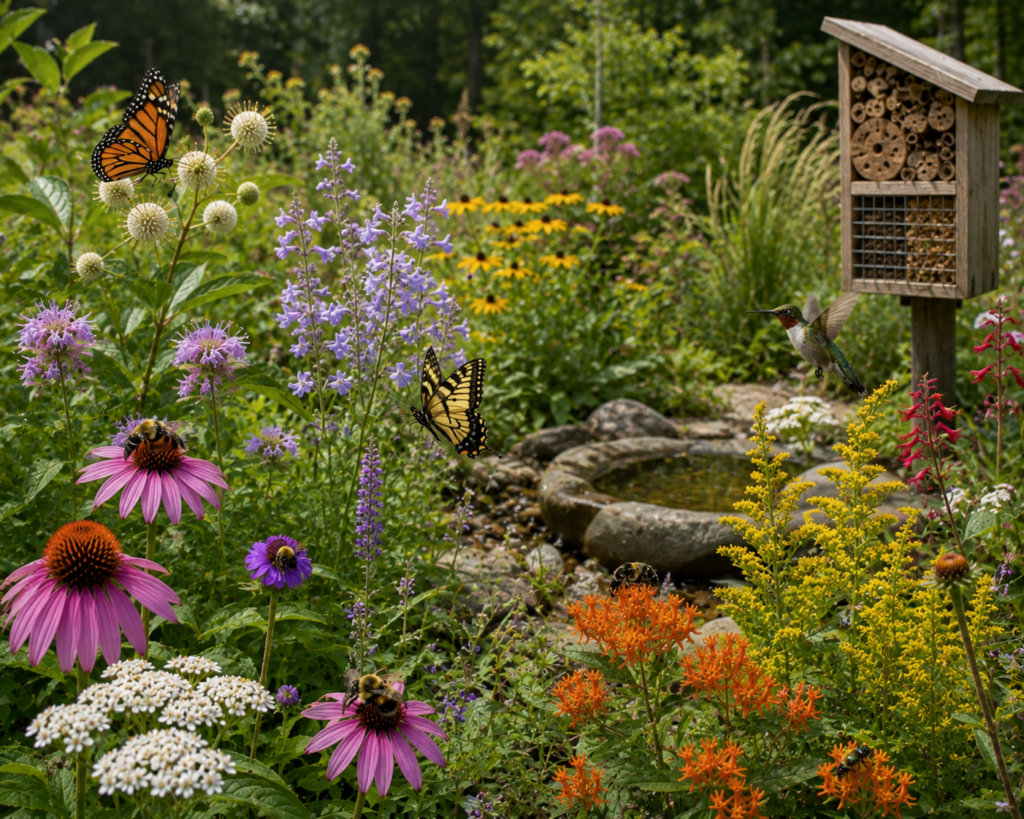
Recommended Conservation Gardening Books
Exploring conservation gardening books offers a deeper understanding of how your garden contributes to environmental health. These books explore the science of ecosystems, explaining how each plant and animal interaction plays a part in the ecological web.
Local libraries and online resources sometimes provide access to digital versions of these guides. Plus, joining online forums or local gardening clubs can offer a wealth of shared experiences and knowledge from other native plant enthusiasts.
Equipping yourself with these resources not only enriches your gardening knowledge but also helps ensure that your native plant garden truly benefits your local ecosystem. Whether you’re flipping through a book or discussing topics on a forum, every bit of information helps make your garden a more vibrant, thriving space.
Book One -The Northeast Native Plant Primer: 235 Plants for an Earth-Friendly Garden – Uli Lorimer – Native Plants in Northeastern United States
A useful regional resource if you as a gardener are looking for native plants suited to the Northeastern United States.
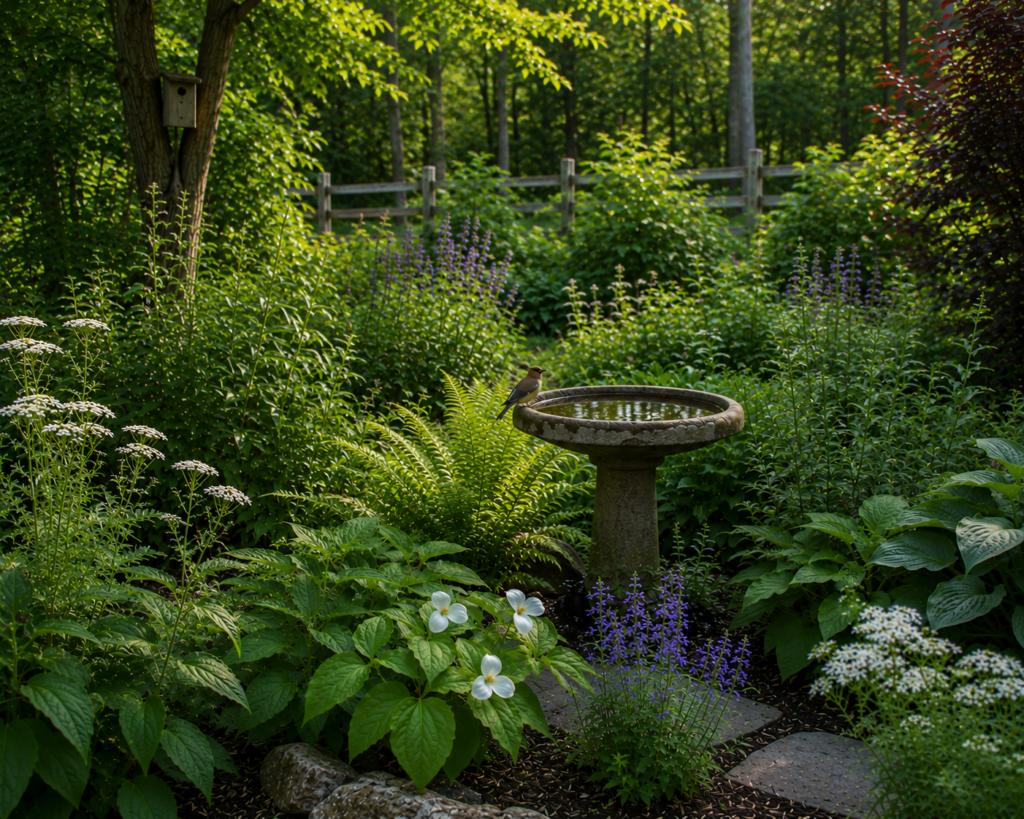
Book Two – Native American Ethnobotany – Daniel E. Moerman – A Cultural, Botanical, and Historical Story
If you are searching for an opportunity to understand relationships between you, other humans, and plants then this extends far beyond the subject of modern ornamental gardening.
Frequently Asked Questions
Getting started or increasing your knowledge about native plant gardening comes with its share of questions. Let’s tackle some of the most common ones to clear the way for a successful garden. Cornell Cooperative Extension offers extensive research-based information and educational podcasts on environmental topics. Explore the resources below:
Cornell Cooperative Extension — Invasive Species Friday Podcast Series
Question: Are native plants harder to grow?
Answer: Not at all! They’re accustomed to local conditions and often need less fuss than their non-native counterparts once established. Just make sure to match plants with the right spots in your garden.
Question: Will a native garden attract wildlife?
Answer: Yes they can! Native plants have the potential to attract local fauna, from birds to butterflies. These gardens can abound with life, turning your outdoor space into an ecosystem hotspot.
Question: Can native gardens look attractive?
Answer: Absolutely. With arrangement and plant placement, native gardens can be beautiful in all seasons. Mixing different plants with bloom times provides a dynamic landscape that’s both wild and beautiful.
Question: How long does it take for a native garden to establish?
Answer: Patience is key. It might take a couple of seasons to see the full potential. However, once rooted, these plants can be resilient and rewarding, needing less care over time. Native plants started from established nursery stock can provide a more immediate visual presence than seeds, although growth rates vary considerably depending on species and growing conditions.
Question: Is it possible to start a native garden with containers?
Answer: Definitely. Many native plants do well in containers, making them ideal for patios or small spaces. Starting small can also be a great way to experiment and see which plants you love before expanding to larger areas.
Concluding Thoughts
As you grow in gardening skills, every native plant you tend becomes a welcome opportunity to better understand your immediate environment. It is also a step toward a healthier planet. Each garden becomes a vibrant part in the larger whole picture of biodiversity, offering sanctuary and sustenance to local wildlife. Whether you’re creating an ideal location for pollinators or a peaceful oasis for birds, your garden matters.
As these plants take root, you’ll find your initial efforts yielding unexpected rewards. With patience and informed choices, what starts as a small area can transform into a flourishing habitat. It’s not just about the visual payoff but the knowledge that your garden is a life-giving segment of an ecosystem.
Stepping into native plant gardening isn’t just a hobby. It’s joining a movement that emphasizes sustainability and environmental consciousness. Your gardening experience on earth contributes to the broader efforts of conservationists working to heal our natural world, one native plant at a time.
Hi Rhonda,
The point about lower supplemental watering once plants are established is one I’ve watched play out on a completely different scale.
I’m a golfer here in southeast Wisconsin, and over the last several years a lot of courses around here have converted their out-of-play rough to native prairie plantings. Less mowing, less irrigation, and the fescue and wildflower areas start filling up with pollinators by the second season. The superintendents I’ve talked to did it to cut maintenance budgets, but the habitat benefit came along for free. Same principle you’re describing in a backyard, just spread over forty acres.
Your patience section is the part I’d underline for anyone starting out. On the courses that made the switch, year one looked rough enough that members complained about it, and it took until about year three before the same people started calling it a feature. That gap between planting and payoff is where most people quit.
Which raises my question. For a homeowner going through that awkward first season, is there anything you’d recommend on the design side to make a young native bed read as intentional rather than neglected? A defined border, a bit of structure, something to signal to the neighbors that it’s on purpose? Seems like a lot of good projects get pulled out before they ever get a chance to fill in.
Ron,
It is wonderful to see native plants being used on such a large scale of a 40-acre golf course. Your example makes an important point that practices that benefit the environment can also improve our quality of life by encouraging pollinators and wildlife to flourish, while supporting other aspects of the ecosystem.
The use of fescue grasses and wildflower areas for lower maintenance is a great example of how practical decisions can bring additional benefits to the flora and fauna.
I understand why three years can feel like a long time to wait, especially when people are accustomed to seeing a neatly maintained landscape. This is where education and helping the public understand the purpose of native plantings can make a meaningful difference in changing perceptions.
Regarding your question, I agree that a young native garden can look intentional when it has a little structure around it. A defined border, a small rock bed, a bird bath, or a layer of mulch can help give the garden a finished appearance while the plants are becoming established. These features can also provide useful habitat elements for wildlife.
Plant selection can make a difference as well. Choosing a combination of plants with different heights, textures, and flowering periods can help a young garden look more deliberate. Whether you begin with seeds or seedlings can also affect how quickly the garden develops.
I think your observation about the three-year transition is especially valuable. Planning, research, and patience can go a long way toward helping a native garden become both a success for wildlife and a source of enjoyment for the gardener.
Thank you for Your Thoughtful Inquiry,
Rhonda