How to Start a Local Conservation Group that Still Exists in a Year
_______
My Personal Experience with Conservation Groups
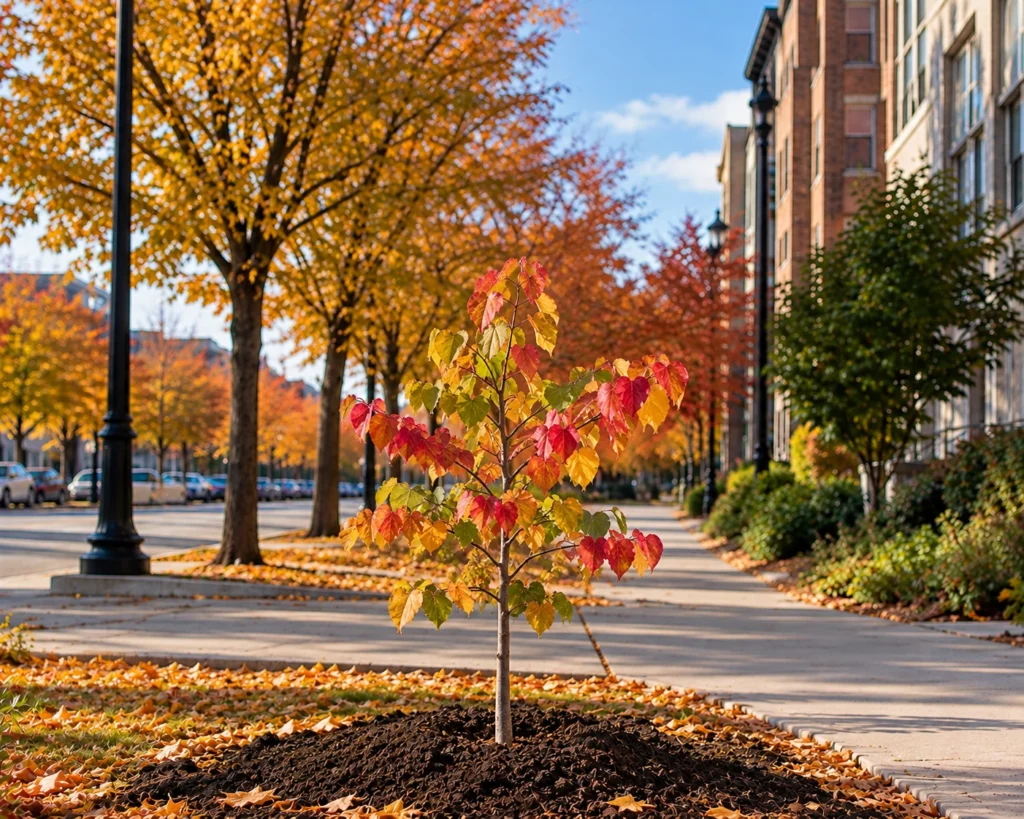
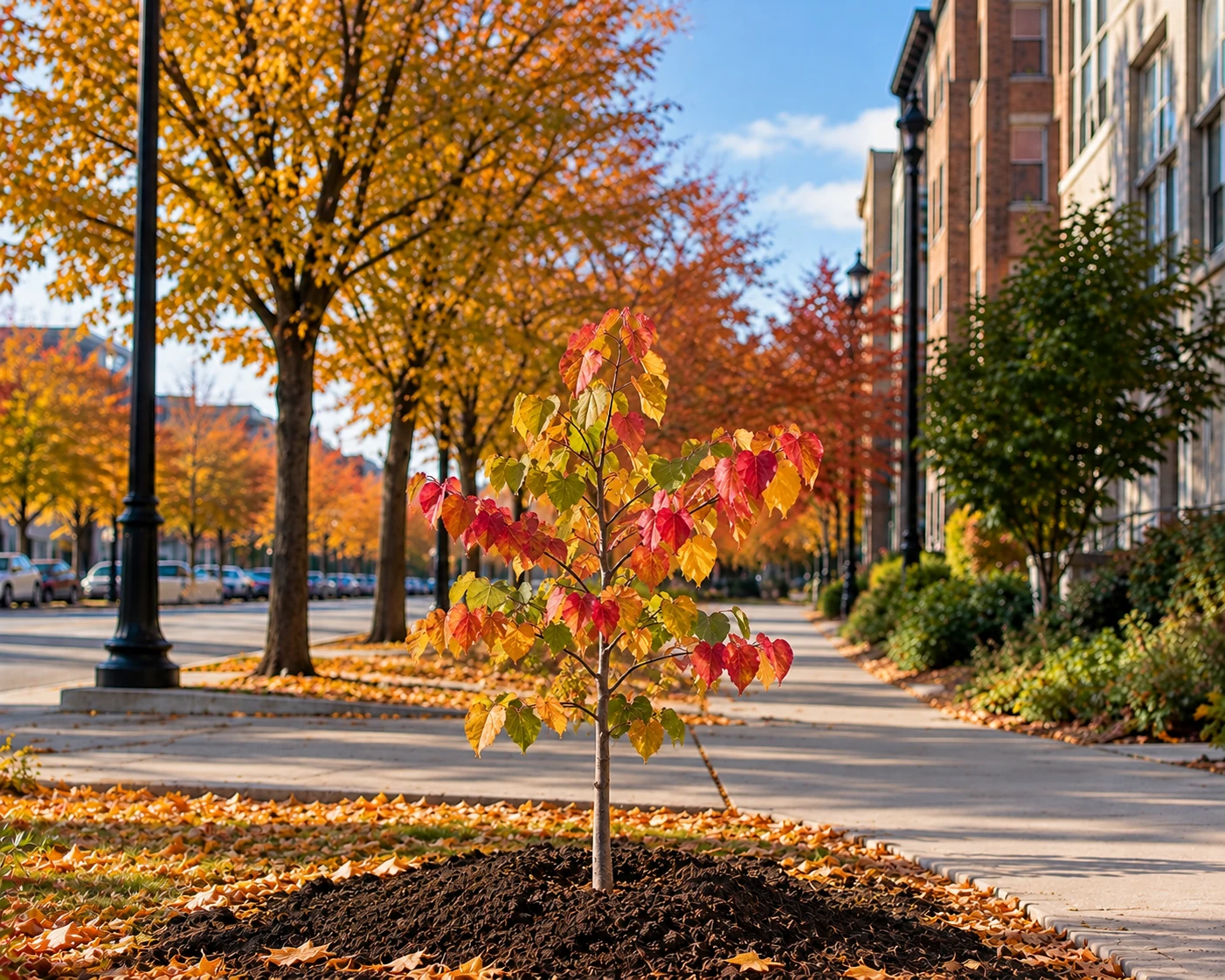
Recently, I planted a tree by participating in an activity arranged by a local ecology group that advocates for restoring urban tree canopies in Western New York. The Eastern Redbud (Cercis canadensis), a tree native to the northeastern United States, can help expand the urban tree canopy, store carbon as it grows, provide shade, and create habitat for wildlife and pollinators. The event was wonderful, and I left with a good conscience, knowing I had given something back to the Earth. This experience also connected me to my community and inspired me to share the key steps to building a successful ecology group that lasts. The event had a specific focus, well-planned group activities, and, most importantly, an actionable task.
Let’s explore how to create a successful organization that lasts with the above premise in mind. Most advice on how to start a local conservation group ends at the first meeting: pick a name, write a mission statement, get people in a room. The harder part comes afterward. Groups usually diminish because the first project was too big, the meetings produced talk instead of tasks, or everything depended on one person. This guide follows a group through its first twelve months and focuses on the things that decide whether it is still meeting next autumn.
Start with One Local Problem, Not a Mission Statement
First and foremost, a mission statement like “protect local wildlife and educate the community” fits every group and is not specific enough. A local problem gives people something to do. It is to the point and clear. The group I participated in had a main focus that is to restore the local urban canopy.
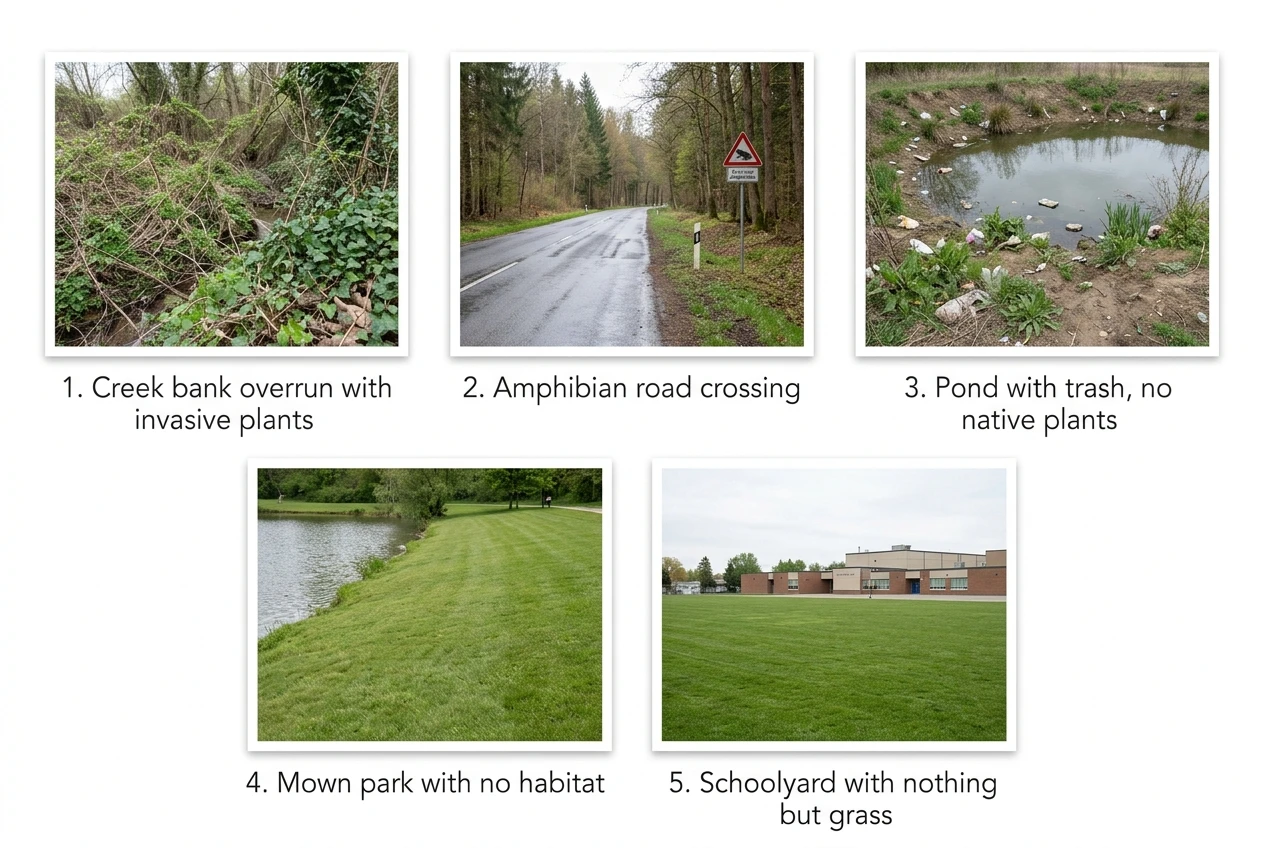
Five Good Starting Projects:
1. A creek bank overrun with an invasive plant
2. A road crossing where amphibians get hit every spring
3. A pond with trash in it and no native plants around it
4. A park with mown lawn to the edge and no habitat for birds or pollinators
5. A schoolyard with nothing alive in it but grass
Test your Candidate with Three Questions:
1. Can you point to it on a map?
2. Do you know, or can you find out, who owns or manages the land?
3. Can you describe in one sentence what “better” would look like?
If the answer to any of these questions is no, then keep asking questions to determine your right choice. Then write the problem as a single sentence:
“The north bank of the creek behind the library is covered in an invasive vine, and the native shrubs that birds use there are being obstructed.” That sentence is more useful than a page of values. It goes at the top of every agenda and every invitation, and it keeps the group focused. “
Visit the site before you do anything else. Take photos, note the date, and write down what you see: which species are present, what is damaged, what condition the ground is in. These notes become your starting point, and you will want them when you report results later to measure your progress.
Find your First Five People
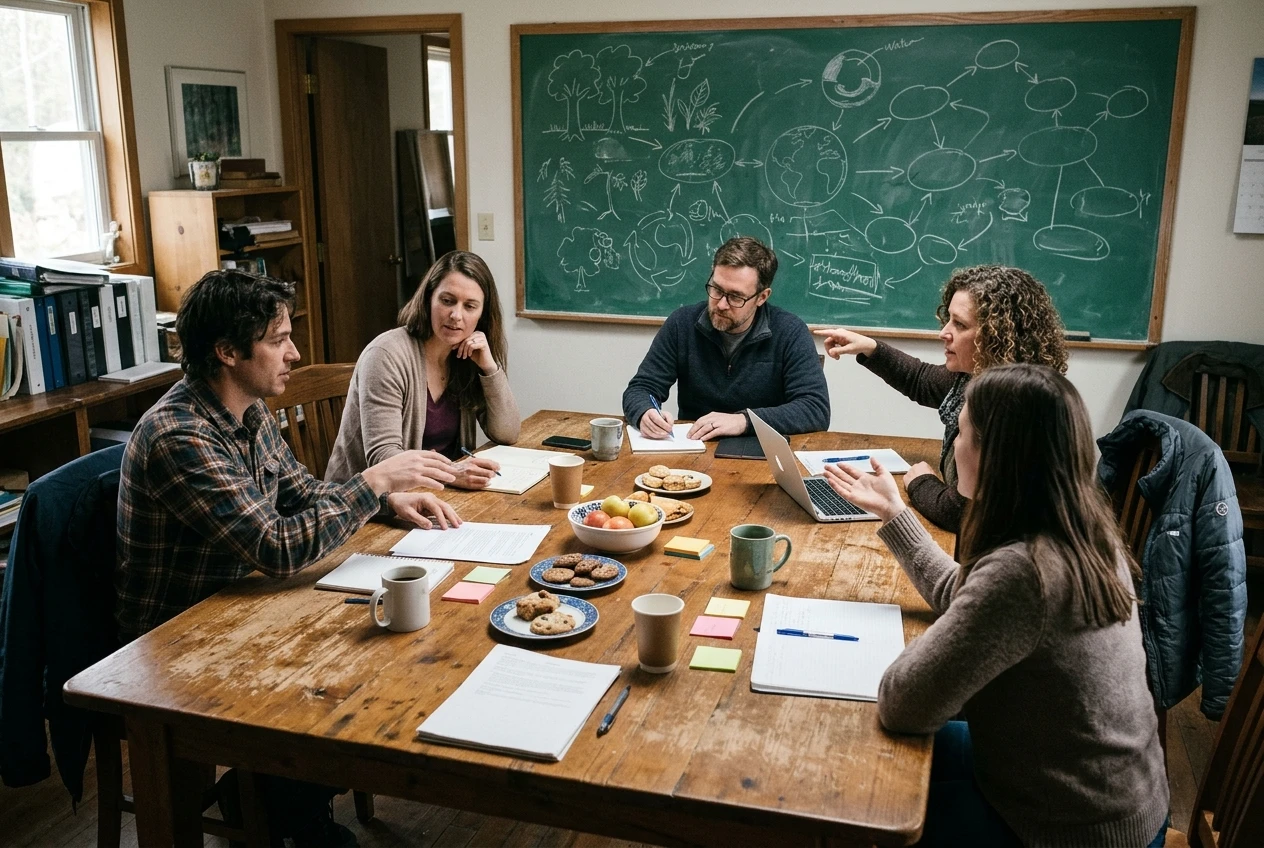
Secondly, a public announcement to a stranger-filled room feels like the natural start, but it gives you a crowd with no shared commitment. A smaller founding circle works better, and five is a practical target. It is enough that losing one person does not end the group, and few enough that everyone gets a real job.
Think about the Roles a New Group:
- Someone who knows the place or species. A longtime birder, a gardener, a retired teacher, or a neighbor who has walked the site for years.
- Someone who is organized. This person keeps notes and sends reminders via email, for example.
- Someone with a connection to the land. They know the landowner, the park manager, the school principal, or the homeowners’ association.
- Someone who communicates easily. They can write a short post or talk to people at a public market, for example.
- Someone willing to do physical work. Early projects need hands on work and actions.
One person can fill more than one role, but try to avoid a situation of five people who all think alike and all know the same people.
Ask each person individually, and ask for something specific: “Would you come to a one-hour planning meeting on the first Tuesday of next month to help decide on a first project at the creek?” A direct, assertive request gets a yes far more often than a general invitation to “get involved.” Walk the site with each of them if you can. People commit more readily to a place they have stood in.
Run a First Meeting that Ends with Decisions and Named Owners
The third step is to hold a first meeting that establishes the group’s working habits. If it ends with pleasant conversation and no tasks, the second meeting will be smaller. Plan for sixty to ninety minutes and send a short agenda beforehand.
A Workable Structure:
1. Read the one-sentence problem and show the site photos.
2. Spend ten minutes on what each person knows and can offer.
3. Decide on a first project (the next section covers how to choose).
4. Assign every task a single named owner and a date.
5. Agree on a meeting schedule and one communication channel.
6. Settle a name last, and keep it simple. A name that describes the place works well.
The named person matters more than anything else on that list. “We should ask the parks department about permission” belongs to a designated someone. They will email the parks department by Friday and report back at the next meeting. When the next meeting starts, the first item can be checked off as done.
Send the notes within a day, and keep them to decisions and tasks. A short list of who is doing what by when is all the record you need. Choose one place where the group communicates, whether a group chat, an email list, or a shared document, and use it consistently. Splitting conversations across four platforms loses people.
Pick a First Project Small Enough to Finish in Eight Weeks
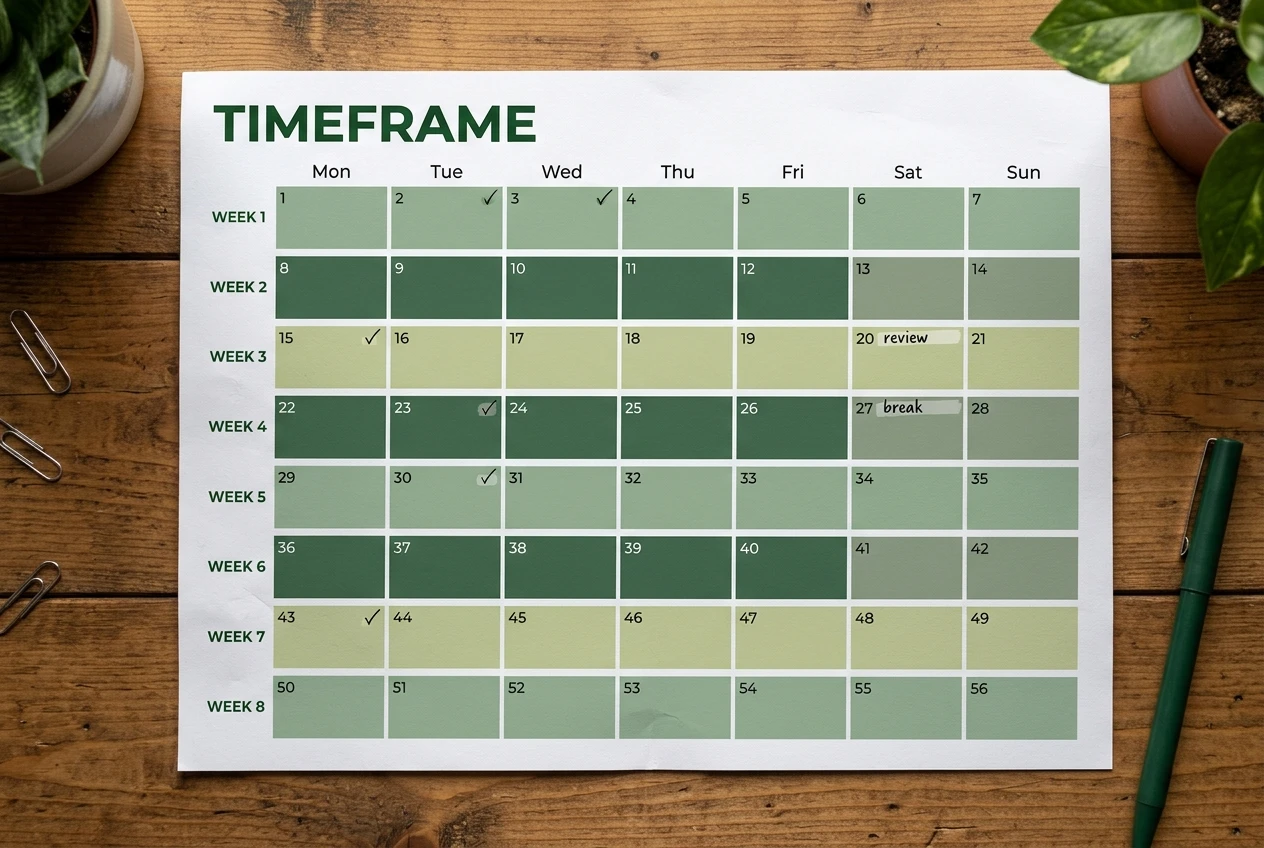
The fourth step is selecting a project. The first project is a test of whether the group can take an idea from discussion to a visible result. Eight weeks is a good ceiling: long enough to arrange permission and gather people, short enough that nobody loses interest before it ends.
Projects that tend to fit:
- One cleanup of one defined stretch of a creek bank, pond edge, or trail, with a before-and-after photo.
- A baseline survey of the site, such as a monthly bird count or a plant list. If you want a structure for the bird side, our piece on bird tracking tools, techniques and citizen science covers ways to record and share what you see.
- A small native planting in a bed or corner where you already have permission. Choosing plants suited to your area matters here, and our guide to native plant gardening explains how to go about it.
- Nest boxes or a simple habitat feature built and installed on a site where the manager has agreed.
Projects to postpone: anything that involves digging a pond, removing large trees, changing water flow, or working near protected species. Those need expert advice, formal permits, or both, and they are poor first projects because the approval stage can run for months with nothing being accomplished.
A good suggestion is to work backward from a date. If the cleanup is on a Saturday in week eight, then permission is confirmed by week two, supplies are arranged by week five, and the invitation goes out by week six. Put those dates in the notes with owners beside them. A project with a fixed date and a clear end gives the group its first finished piece of work, and finishing is what makes people believe the group is a wise use of their time.
Bring in Local Experts and Landowners
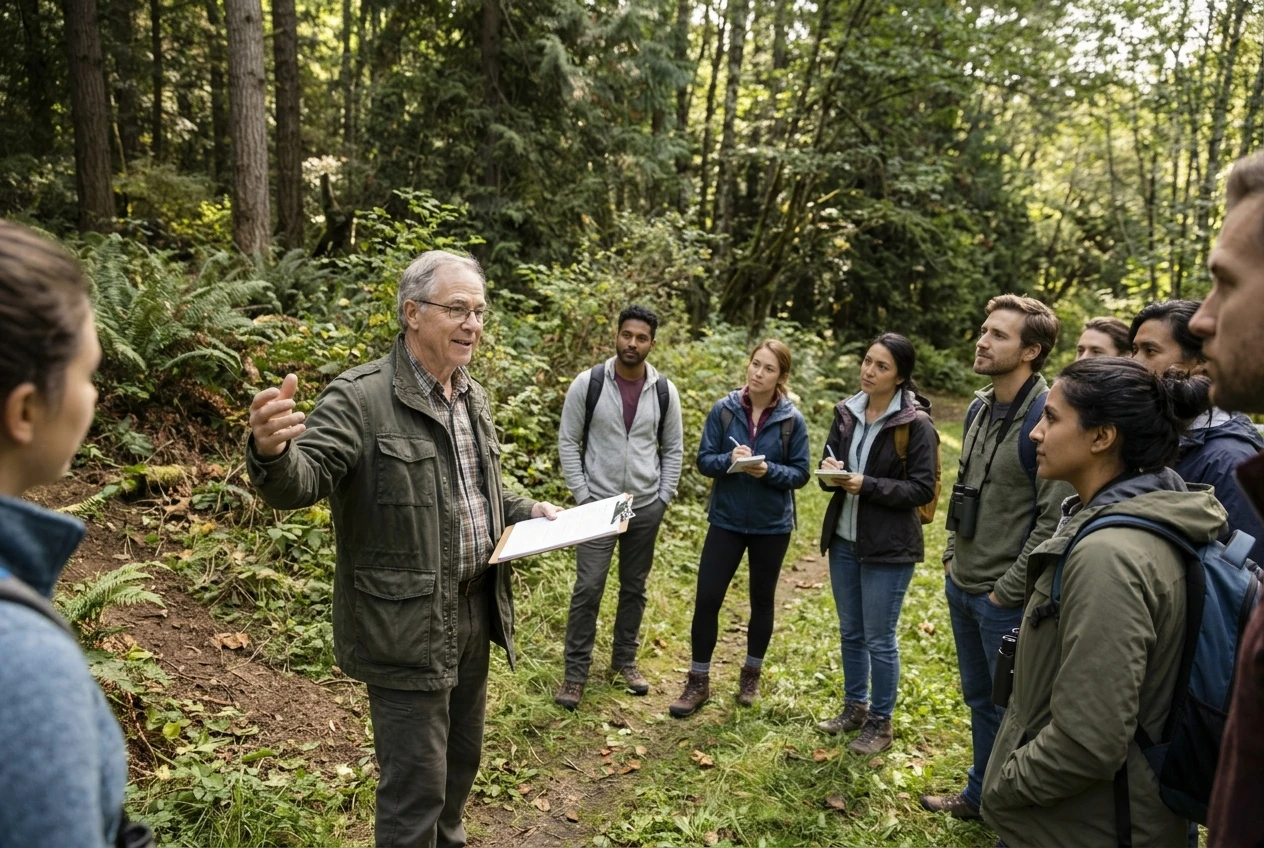
The fifth step involves bringing experts in. Your group does not need to know everything, but it does need to know whom to ask. Useful sources of advice include the local parks department, a regional naturalist or birding society, an agricultural or land extension office, a university biology or environmental department, and the wildlife agency for your area. Individuals within these organizations often respond well to specific questions.
A Few Strategies to Keep these Relationships Productive:
- Ask specific questions. “Which of these three plants on the creek bank is invasive, and what is the safest way to remove it?” gets a better answer than “Can you help us with conservation?”
- Invite experts to be part of a meeting. Give them fifteen minutes at the start, then let them go. Their time is limited and so is yours.
- Send questions ahead of time. An expert who knows what you want to discuss can prepare, and the conversation stays on your agenda.
- Make decisions as a group afterward. Experts advise, and the group decides what to do with the advice.
Landowners and managers need particular care. Get permission in writing, even if it is a short email, and state what you will do, on which dates, and who will remove the waste or tools afterward. Ask whether there are rules about what can be planted or removed, and whether they need to be told of any concerns on the site. A landowner who feels informed and respected is more likely to say yes to the second project as well.
Small Budgets and Grants
The sixth step is to assess funding. A first project can run at a low cost. The usual costs are work gloves, trash bags, printing, water and snacks for volunteers, and perhaps a few plants or building materials. Many of these can be covered without a budget at all.
Ways to Keep Beginning Costs Low:
- Borrow tools from members, neighbors, or a community tool library if there is one nearby.
- Ask the site manager whether they can supply bags or arrange pickup of collected waste. Many land managers will do this for a volunteer event.
- Ask local businesses for in-kind help, such as a hardware store lending equipment or a café providing coffee for the day. A specific request for a specific event is easier to grant than a general plea for support.
- Ask members for a small contribution when you need to buy something, and write down what came in and what went out.
Keep a simple record of money from the first dollar. A shared spreadsheet with the date, amount, and purpose is enough. Keep group money separate from anyone’s personal accounts where you can, so nobody is ever unsure whose money it is.
Grants make sense after you have a completed project, photos, a baseline, and a clear plan for the next one. Stakeholders want to see that a group can deliver, and your first eight-week project is the evidence. Many funders also require the applicant to be a registered organization or to work through one, which is a reason to read the next sections on formalizing. When you reach that stage, our article on grant writing for environmental projects covers how to build an application.

Keep Volunteers Coming Back
The seventh step is encouraging people to return and participate again. The first event usually draws the most people, because it is new. The real test comes between month three and month nine, when the novelty has passed and everyone has other plans for their weekends.
Several Practices thst Help People Return:
- Make the activity specific and finite. “Come for two hours on Saturday morning, we’ll finish by noon” is easier to accept than “join us whenever you can.”
- Tell people what happened. After each event, send a short note with a photo and the result: how much was cleared, how many plants went in, what species were counted. People return to groups where their effort visibly counts.
- Thank people individually. A message that names what someone did is worth more than a general thank-you to everyone.
- Give people a role. Someone who has been asked to lead the sign-in table or take photos has a reason to come back.
- Plan the next project before the current one ends. Announce the next date at the cleanup itself, while people are still standing there.
- Notice who has gone quiet. A personal message asking whether the timing or the type of task suits them often brings someone back.
Share each key job, such as sending the reminders or holding the keys to the shared tools. A group that depends on one person works until that person is busy, tired, or unavailable for another reason. Around month six, ask directly whether any of the founders is overloaded and redistribute tasks before that person gets too overwhelmed.
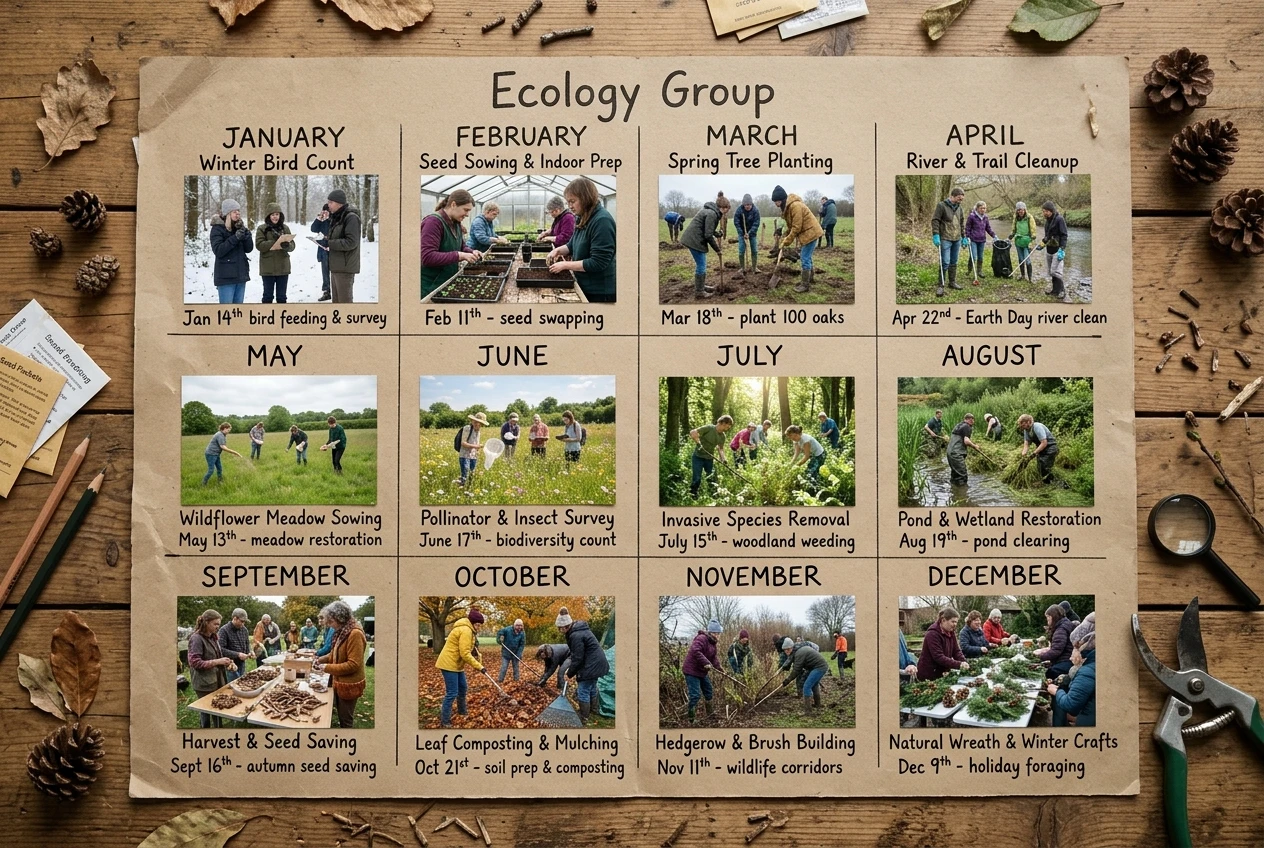
Seasons shape what is possible. A group that plans a calendar across the year, with planting in the right season, surveys when species are active, and indoor planning when the weather is poor, gives people something to expect and prevents long periods of no communication.
Know when to Formalize Roles and Nonprofit Status
The eight step is considering giving a group more structure. A group can operate informally for a good while, and many do. Formalizing adds paperwork, so do it when the activity calls for it, not before.
Three Things that Usually Signal that the Group Requires More Structure:
- You want to hold more than a small amount of money, or open a bank account in the group’s name.
- A landowner, council, or funder asks whether you are insured or registered.
- You plan events with larger crowds, children, tools, or work near water, where safety is more of a concern.
Start with roles. A chair, a secretary, and a treasurer, written down along with how people are chosen and replaced, will cover most needs. A one or two page set of rules describing the group’s purpose, how decisions are made, and what happens to its money if it stops operating is a sound basis for later registration.
Insurance questions are best asked early, even before you need an answer. Ask the landowner whether their policy covers volunteers on the property, whether the local authority requires you to carry public liability coverage for events, and whether an established organization in your area offers coverage to affiliated groups. The rules differ by country, region, and type of site, so get the answers from the people who manage the land or from a local advisory body.
Nonprofit or charity status also depends on where you live. Some places have a national registration process, others handle it at a regional level, and the benefits and obligations differ. One option worth knowing about is working under an established organization that agrees to receive money and carry responsibility on your behalf, often called fiscal sponsorship. This can let a young group apply for grants and accept donations without setting up its own legal entity. Before you register or sign anything with legal consequences, speak to your local charity regulator, a community legal clinic, or an experienced volunteer from a similar group. Learn more about how to begin a nonprofit through the National Council of Nonprofits.

Signs of Success
If your group reaches its first anniversary, you will have a record to work from: a defined problem, a completed first project, photos and survey notes, a handful of reliable volunteers, and a calendar for the year ahead. That record is what you will show a landowner, a funder, or a new volunteer to explain what the group does and why it is worth joining.